

NEW DELHI: Schoolchildren in the Israeli port city of Haifa have been taught a distorted story about their city’s history: During World War I, British and Allied forces captured Haifa from Ottoman rule, ending centuries of control and altering the political future of the region. But on September 23, 1918 (Haifa Day in India), Commander Dalpat Singh Shekhawat rode with his Indian cavalrymen from the Jodhpur, Mysore and Hyderabad regiments, spearheading a swift attack that led to the city’s liberation. Operating under British command, he was later referred to as the “Hero of Haifa”.

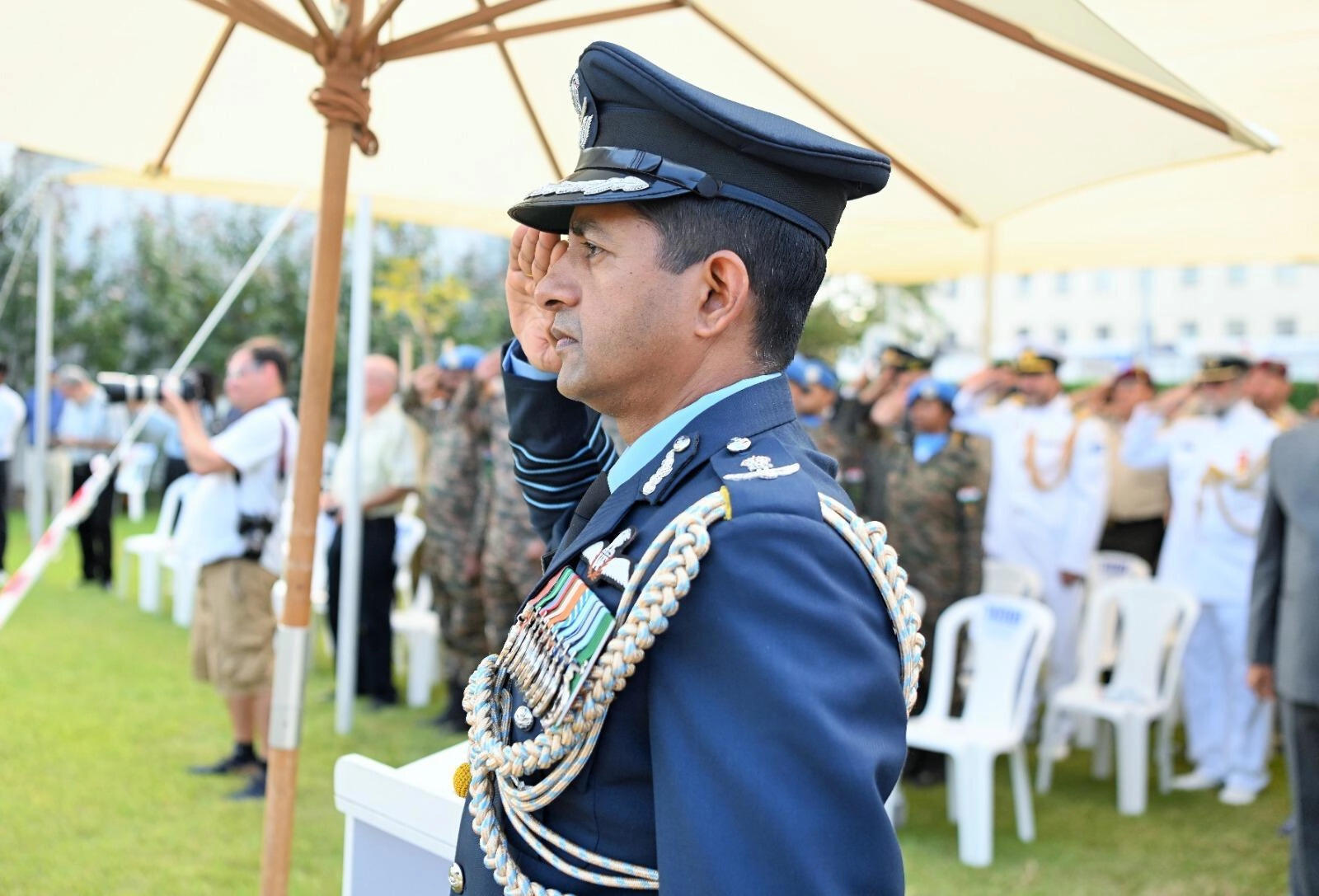
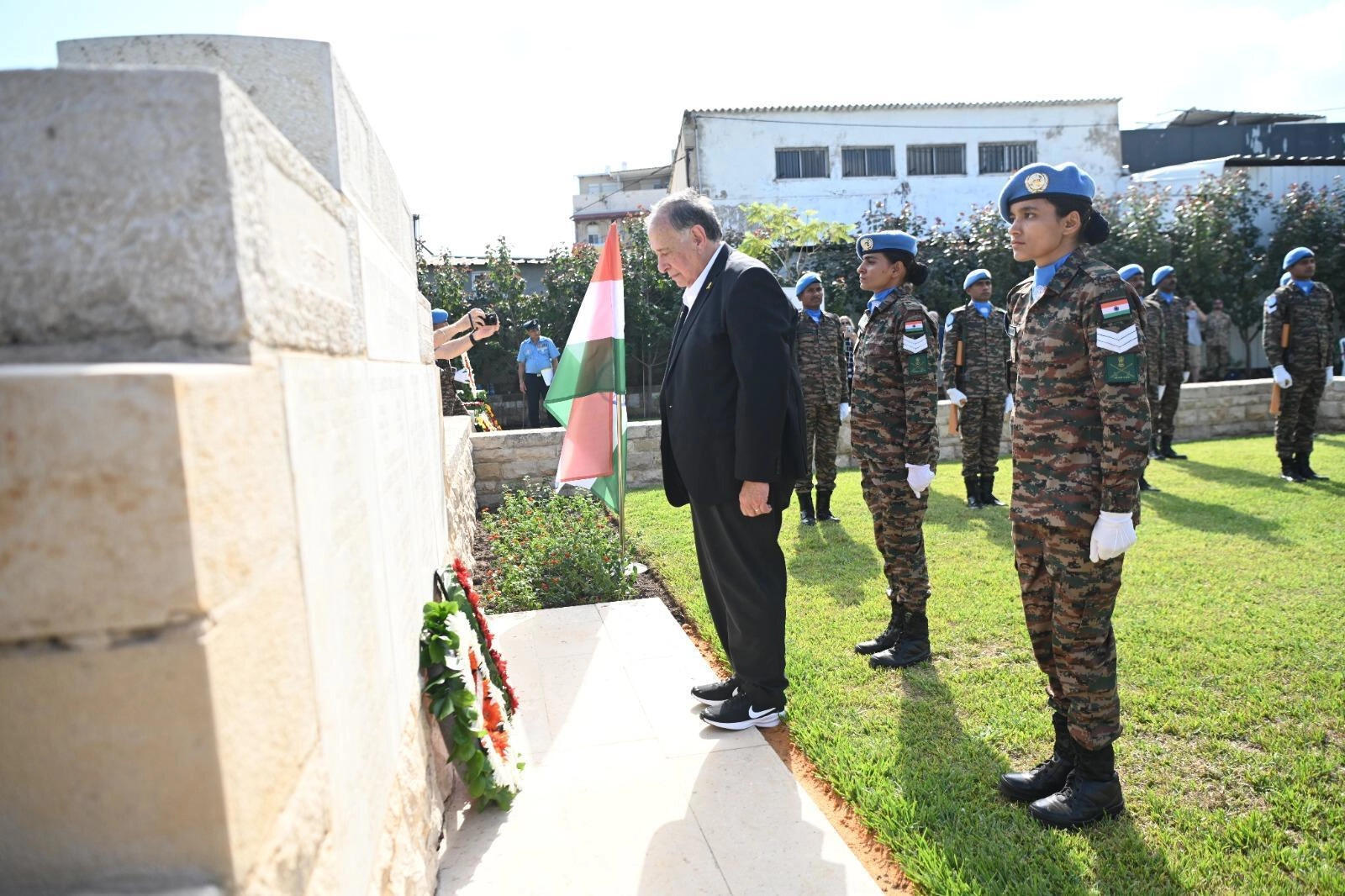
Built in 1922, the Teen Murti Chowk in Delhi, with each of the three statues symbolising the three regiments in Haifa was renamed in 2018 to Teen Murti Haifa Chowk. Yet until 2025, local school textbooks in Haifa broadly credited the victory to “British forces.”The soldiers who rode into fire were rarely named. Several of them were killed in action. Many are buried in war graves in and around Haifa. Their names, long absent, have now entered the city’s official memory.In September 2025, Haifa’s municipal authorities revised school curricula to explicitly recognise the central role of Indian cavalry units in the Battle of Haifa—naming Indian troops, not British forces, as those who led the city’s liberation.

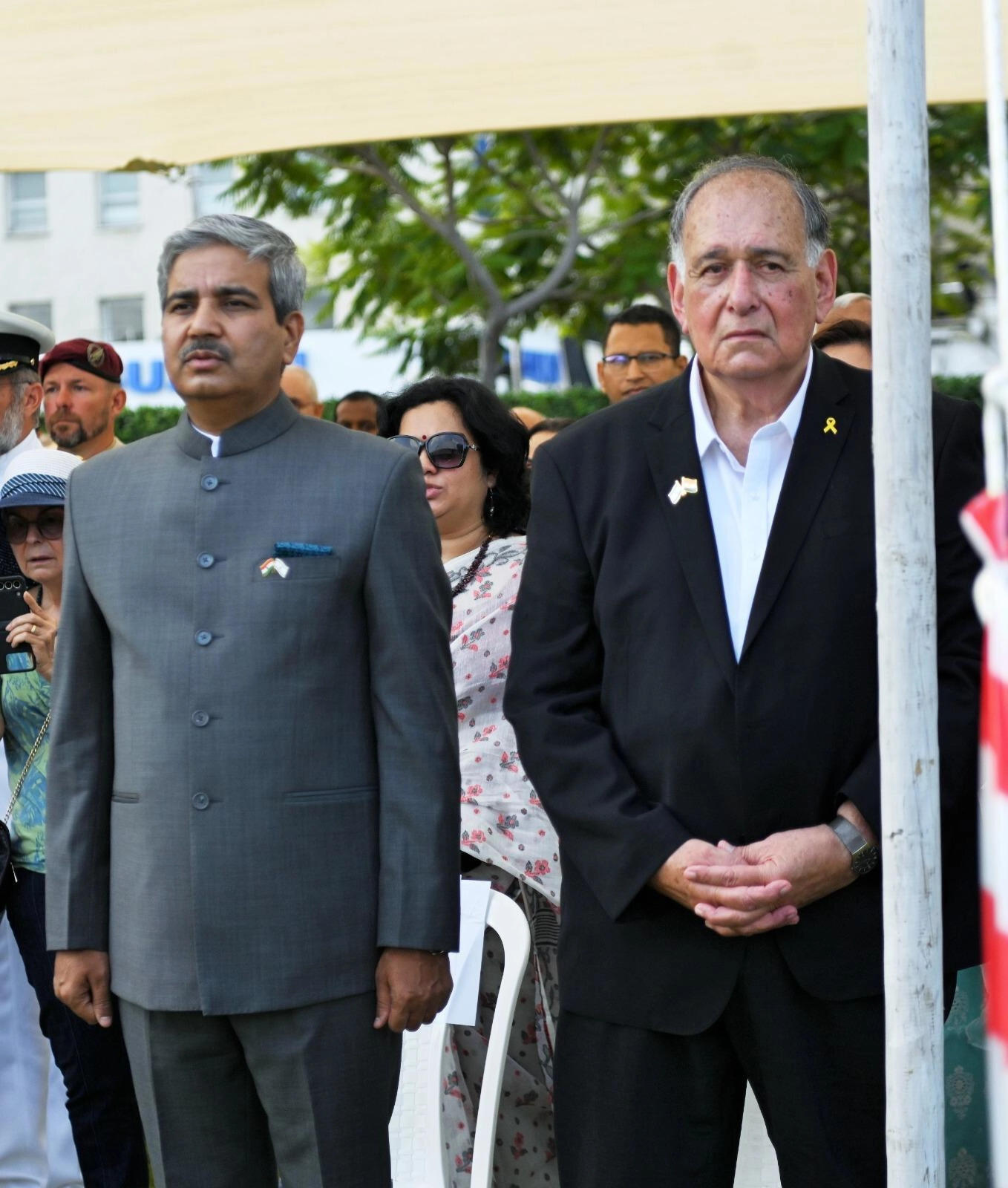
For Haifa’s mayor, Yona Yahav, the correction is both historical and moral.“For many years, the historical narrative relied primarily on official British sources,” Yahav said while speaking to TOI. “These sources presented the campaign through the lens of the British command, while obscuring the contribution of non-British units that operated under it.”

That created a distorted public memory. “It produced a cumulative historical blind spot—partial documentation, a lack of alternative voices, and the absence of deep local research… Over the years, we came to understand that our public memory was not complete, and it is our responsibility to correct that.”“Indian cavalry units fought under the British flag, but they were not British soldiers. It is important to distinguish between the command structure and the identity of the soldiers and the price they paid,” said Yahav. This distinction now lies at the heart of Haifa’s revised curriculum.

“The blood of the Indian soldiers was absorbed into the soil of Haifa. The city owes them a moral and historical debt.” This recognition, Yahav stressed, is not only symbolic. “It is rooted in a deep understanding that the city would not have been liberated without their contribution. Haifa remembers, honours and respects this sacrifice, alongside great appreciation for the Indian nation,” he said.

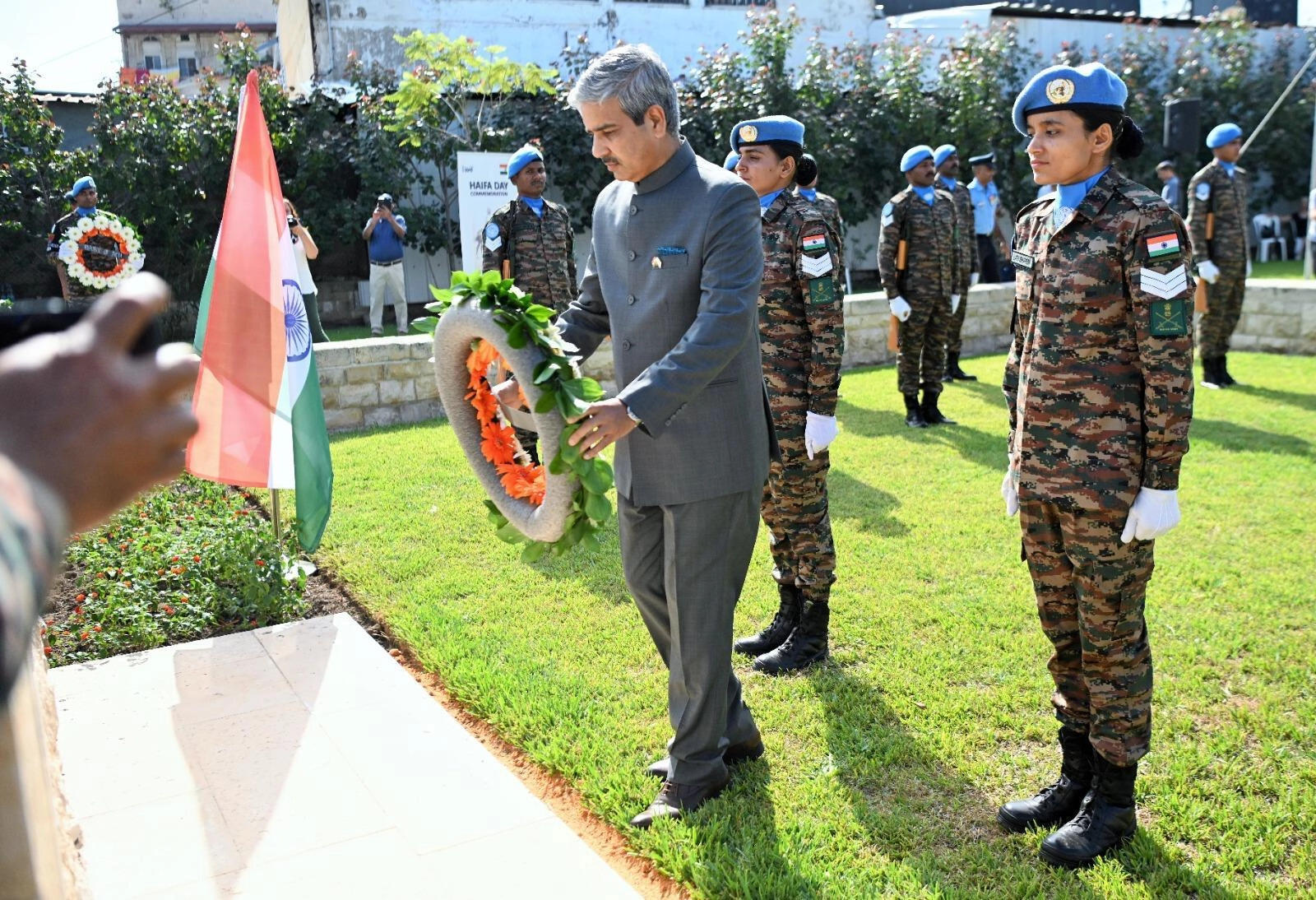
The decision followed sustained research and academic consultation. As historians examined diaries, military records and testimonies, Yahav said, the gap in the narrative became impossible to ignore. “It was no longer possible to continue teaching an incomplete story. History is not frozen. It demands scrutiny, criticism and the courage to acknowledge mistakes,” the mayor said. For him, correcting the record is also about speaking to those far beyond Israel. He said, “I want Indian families whose ancestors fought and died here to know that their sacrifice was human and tangible and Haifa sees their loved ones not as a marginal footnote, but as an inseparable part of the story of the city’s liberation.”
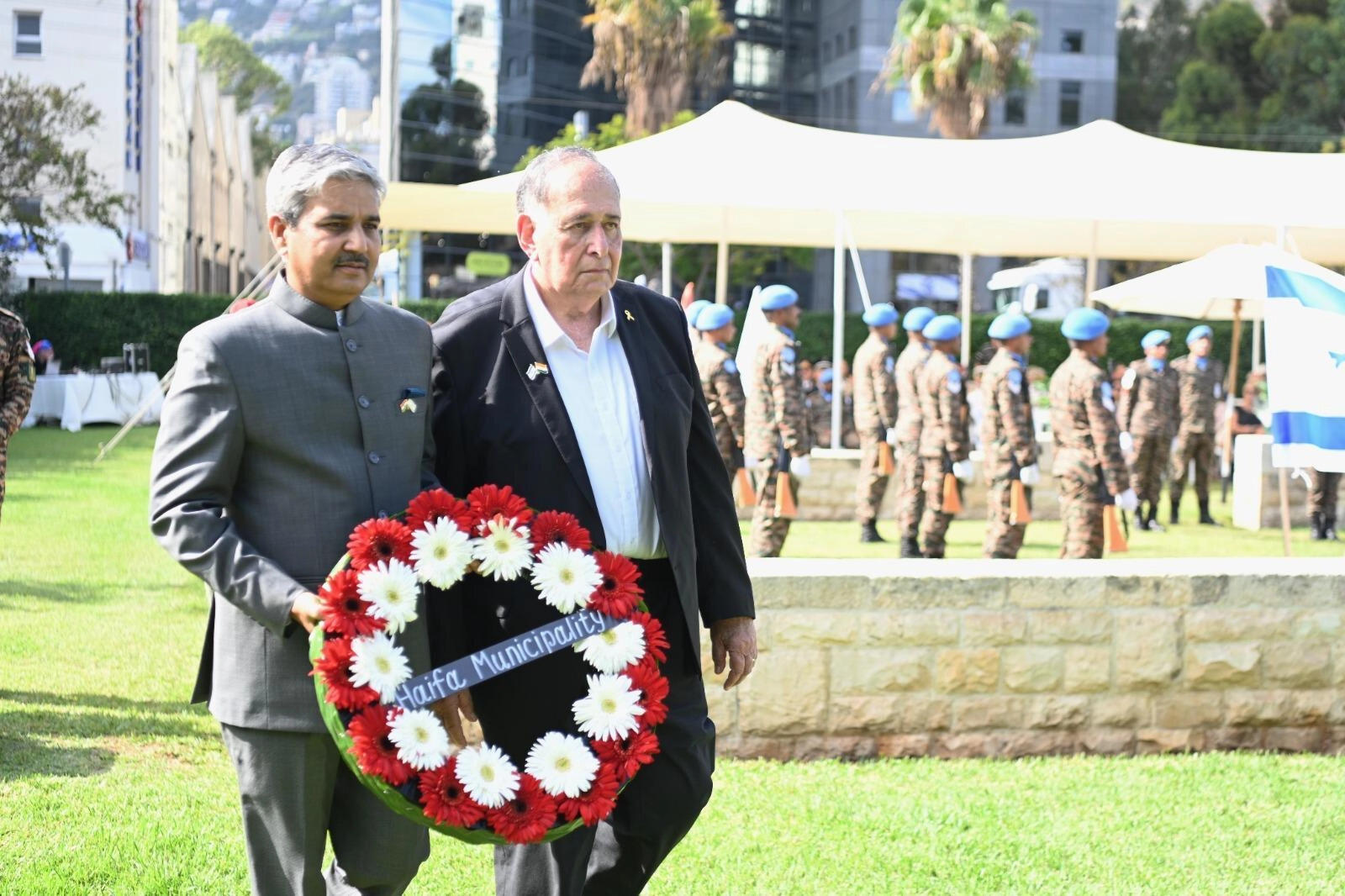
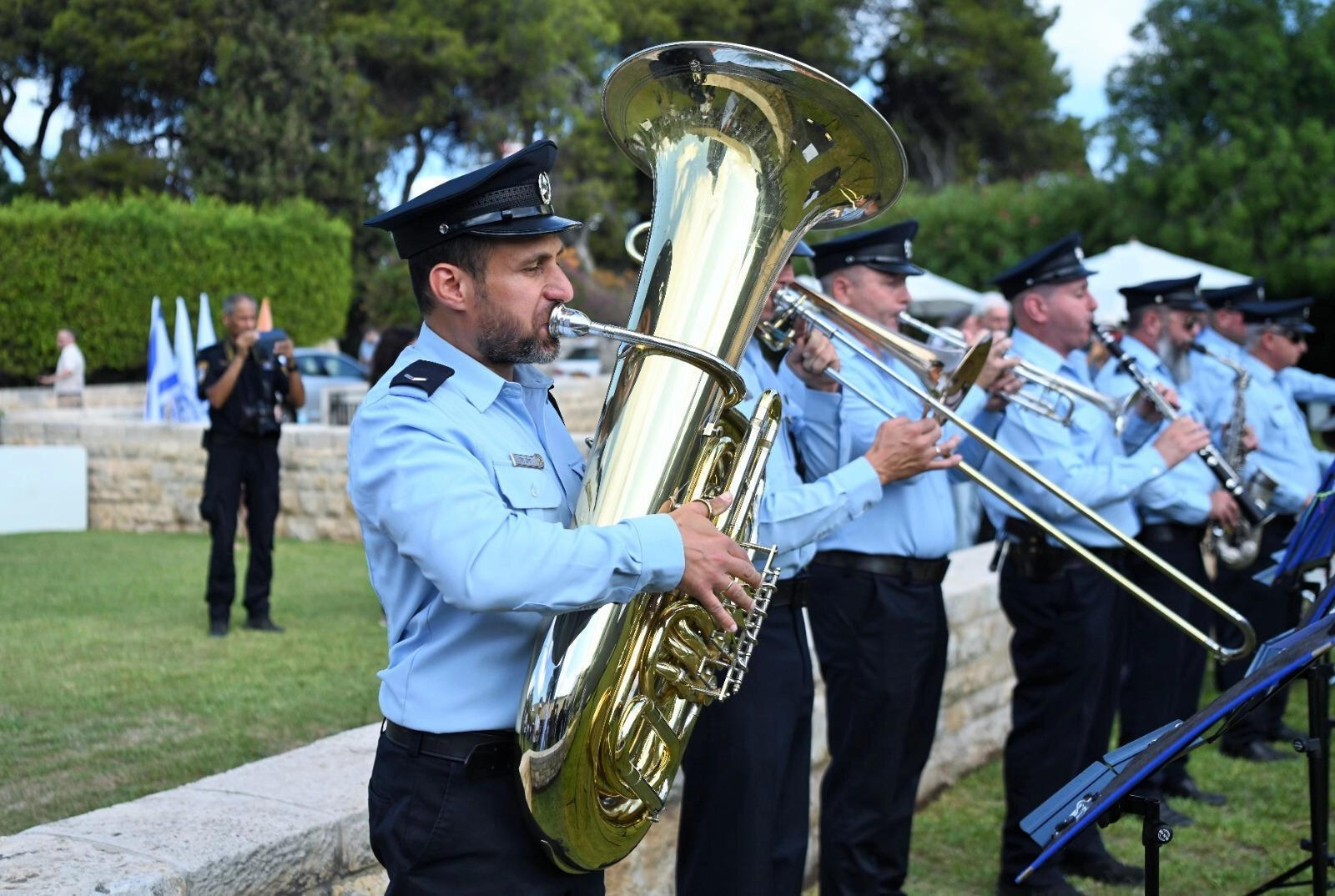
The correction is not limited to textbooks. Yahav said the city intends to embed the memory of Indian soldiers into Haifa’s civic life through memorial ceremonies and sustained engagement with historians and diplomatic partners. “This story must become part of the city’s civic and urban fabric,” Yahav said. “These initiatives reflect a sincere desire to broaden recognition, not in a single location, but across the sites where Indian soldiers fought and were buried. Haifa sees this as an important bridge between local memory and international history,” the mayor added.

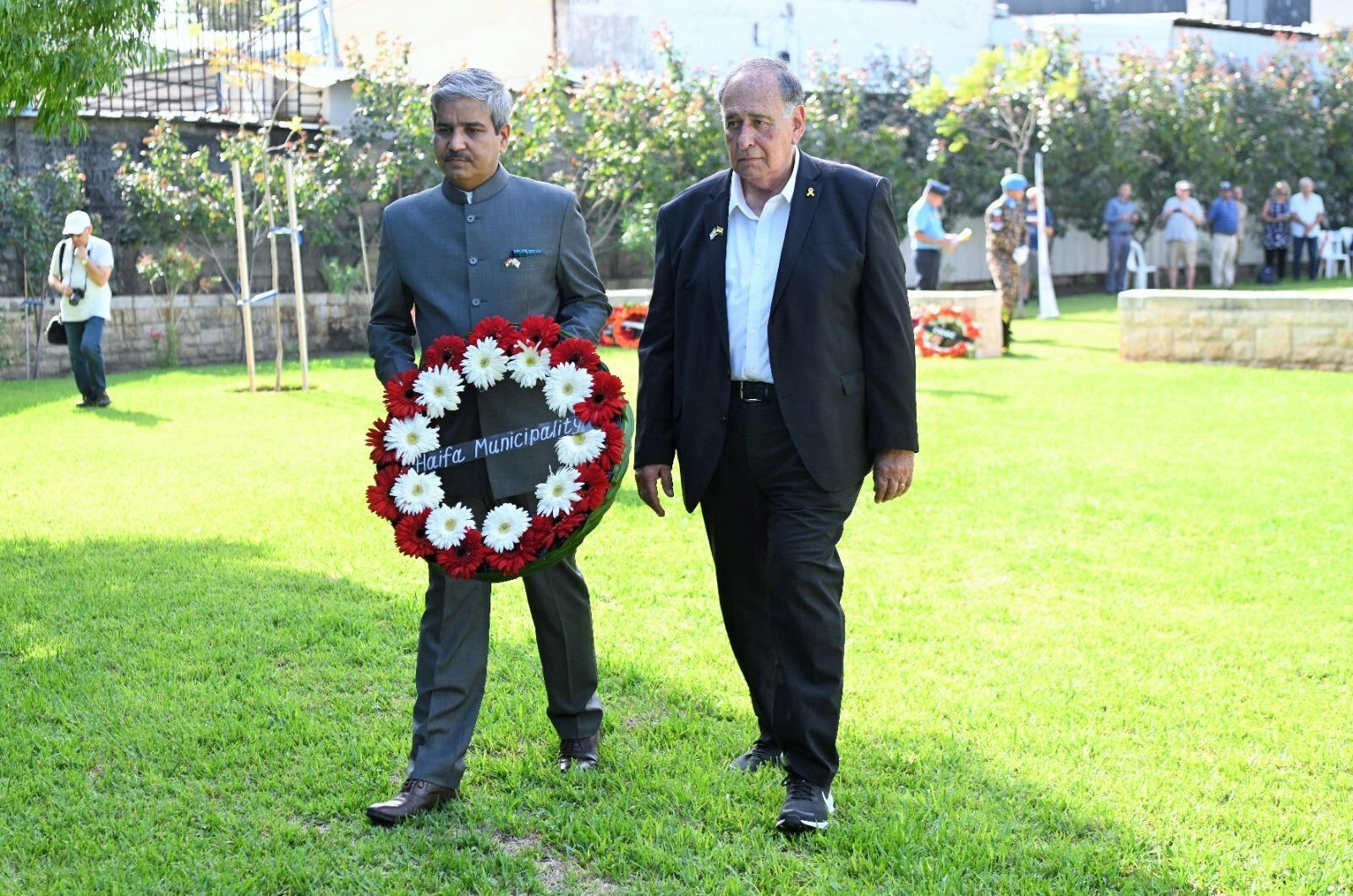
The acknowledgment comes at a time when India–Israel relations are strategically strong, spanning defence, technology, trade and culture. Yahav was careful to separate the historical correction from diplomacy.“Historical truth stands on its own and requires no diplomatic justification. Precisely because India–Israel relations are strong today, it was essential to clarify that this step stems from research and moral recognition, not political calculation.” He added, “History predates modern diplomatic relations. Our responsibility is to truth and to future generations.”Military historian Squadron Leader (Retd.) Rana Tej Pratap Singh Chhina places Haifa’s revision in a broader reckoning as part of a long-overdue global correction. “The contributions made by Indian soldiers around the world have largely been overlooked,” Chhina told TOI. Chhina is a veteran Indian Air Force officer and historian who has documented Indian military service in both world wars.“Part of it was colonial strategy, part colonial outlook. They did not want to give credit.” Chhina said this pattern of erasure was systemic. In the Mesopotamian campaign in World War I, nearly 70 per cent of the force was Indian; in Palestine [including Haifa], more than 50% of the troops were Indian. In World War II, Indian forces played a central role in the Burma campaign. For many Indians, Haifa’s decision reopens a larger question about how colonial histories minimised Indian contributions to global wars, because official histories often foregrounded imperial command rather than the soldiers on the ground. The gap is not only global. In India too, historians note that the scale of sacrifice made by its soldiers, and the impact on the families they left behind—has often not been fully recognised, with memorials and public remembrance falling short of the country’s wartime role.More countries have begun acknowledging this history. In May 2025, Russia installed plaques in Moscow and New Delhi’s Russian House commemorating Indian soldiers who helped sustain the Soviet war effort through critical supply routes during World War II. Three Indian soldiers were also decorated with Russian medals.For decades after 1948, India’s sympathies lay with Arab nationalism and the Palestinian cause. “That has changed with the change in government in India,” Chhina said. “There is far greater closeness with Israel now. This acknowledgement is also a demonstration of that closeness.”More than a century after Indian cavalrymen charged into Haifa on horseback and freed the city, their story is finally entering classrooms. For Haifa, it is an admission that history is not fixed. For India, it is a reminder that many of its war dead are still waiting to be remembered. And for students in Haifa today, it answers a simple question: Who actually fought for their liberation? Recognition, when it arrives a century late, is never just about the past. It reveals what societies are finally prepared to confront, and what they still choose not to remember.


