

Most often than not, the spotlight of any meal usually falls on one of the many courses — the starter, a main or the dessert. However, every cuisine across the country has a range of accompaniments that elevates the dishes. Be it relishes, paapads/appalams, pickles or chutneys, a meal is never complete without them. And spotlighting the latter is Chutney: A Compendium of Stories and Recipes by author-food chronicler Rushina Munshaw-Ghildiyal that is published by her culinary content studio, A Perfect Bite Consulting.
A collective effort of 120+ regional food experts, the book comprises over 40 essays and stories and more than 230 recipes
| Photo Credit:
Special Arrangement
A collective effort of 120-plus regional food experts, the book comprises over 40 essays and stories and more than 230 recipes that highlight the ‘significance of chutneys in the regional, cultural, traditional and modern context’. The book’s idea evolved from a chance conversation Rushina had with her nephew, who was born and raised in Australia. “For him, chutney is just ‘that spicy green stuff at Indian restaurants’. It brought home to me the frustrating caricatures and stereotypes chutneys exist under. If one took a cue from the Indian restaurant universe, chutney is limited to green coriander and sweet tamarind options; a travesty to the breadth of their kind,” says the Dehradun-based writer, adding how the deeper she studied it, the stronger she felt that chutney is in the DNA of Indian food. “The real custodians of Indian cuisine are in its home kitchens. This book is an attempt to draw the vast proposition that chutney actually is by exploring its history, evolution, diffusion, and mapping its incredible diversity.”
The book is a chutney map of sorts that covers variants from across India. Think tchetins of Jammu and Kashmir, nutty chutneys of Uttarakhand, coconut and plant-forward thogaiyals of Tamil Nadu, chammanthis of Kerala, Maharashtra’s thechas, spice-laced launjis of Rajasthan, besan chutneys of Gujarat, toks of Bengal, foraged offerings from Chhattisgarh and Jharkhand, among many others.

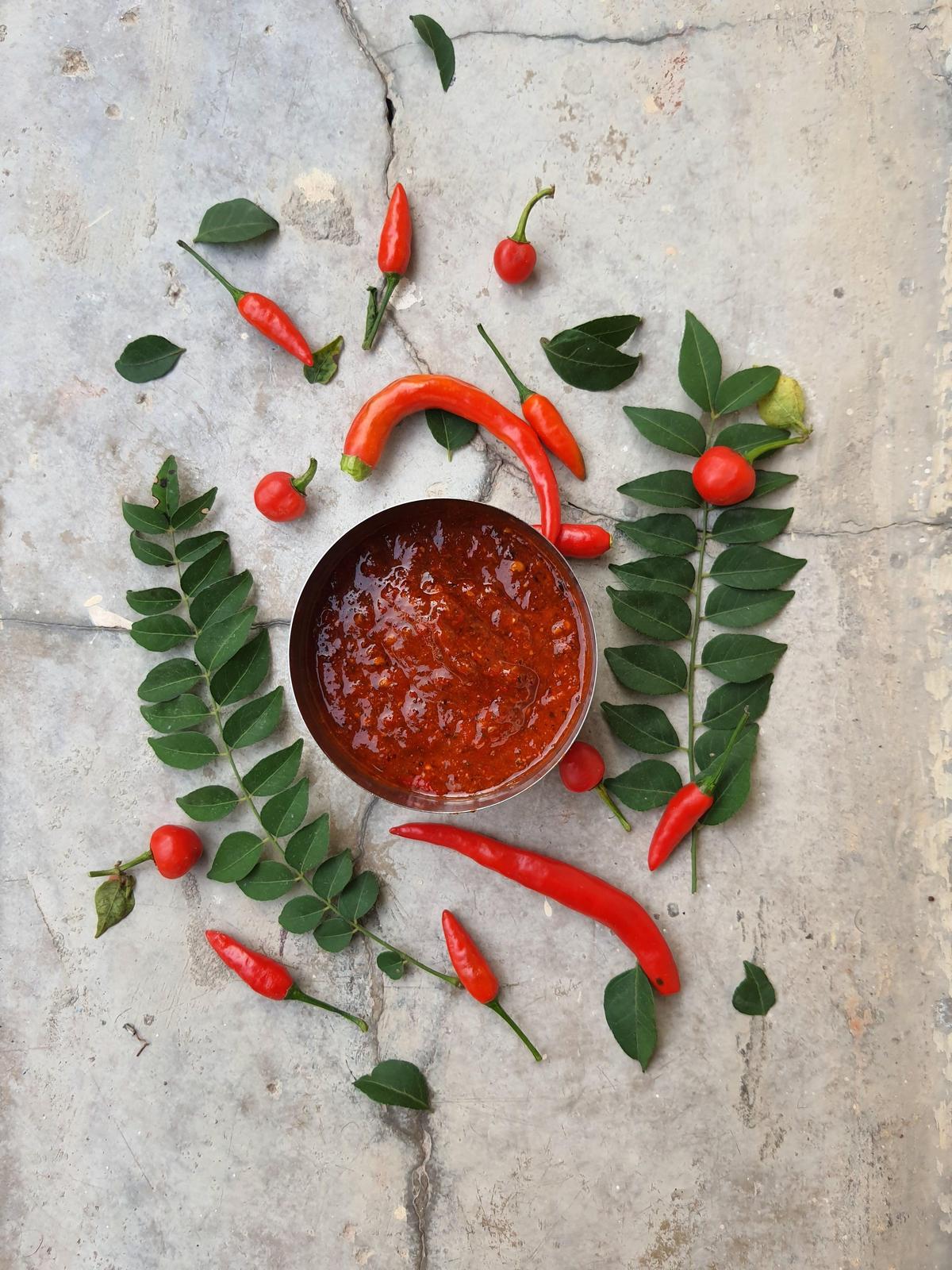
Ranjaka, a chutney from Karnataka
| Photo Credit:
Special Arrangement
Rushina also talks about food observance days that are “the premise of government agencies of countries, trade organisations or PR firms who use them as awareness-building or marketing initiatives to promote specific ideas, ingredients, or foods”. There were fewer in 2017 and that is when she conceptualised an Indian Food Observance Day (IFOD) calendar with specific days that celebrated 10 fundamentally seasonal Indian culinary concepts. “I felt we needed to celebrate and document including #DalDivas, #SubziTarkariDIn #ChaiPakodaDay and proceeded to call out to the food community of India at large to celebrate them. This also included #ChutneyDay and the idea attracted an enthusiastic response from across India,” she says, adding that it was also a nudge to pursue the book.

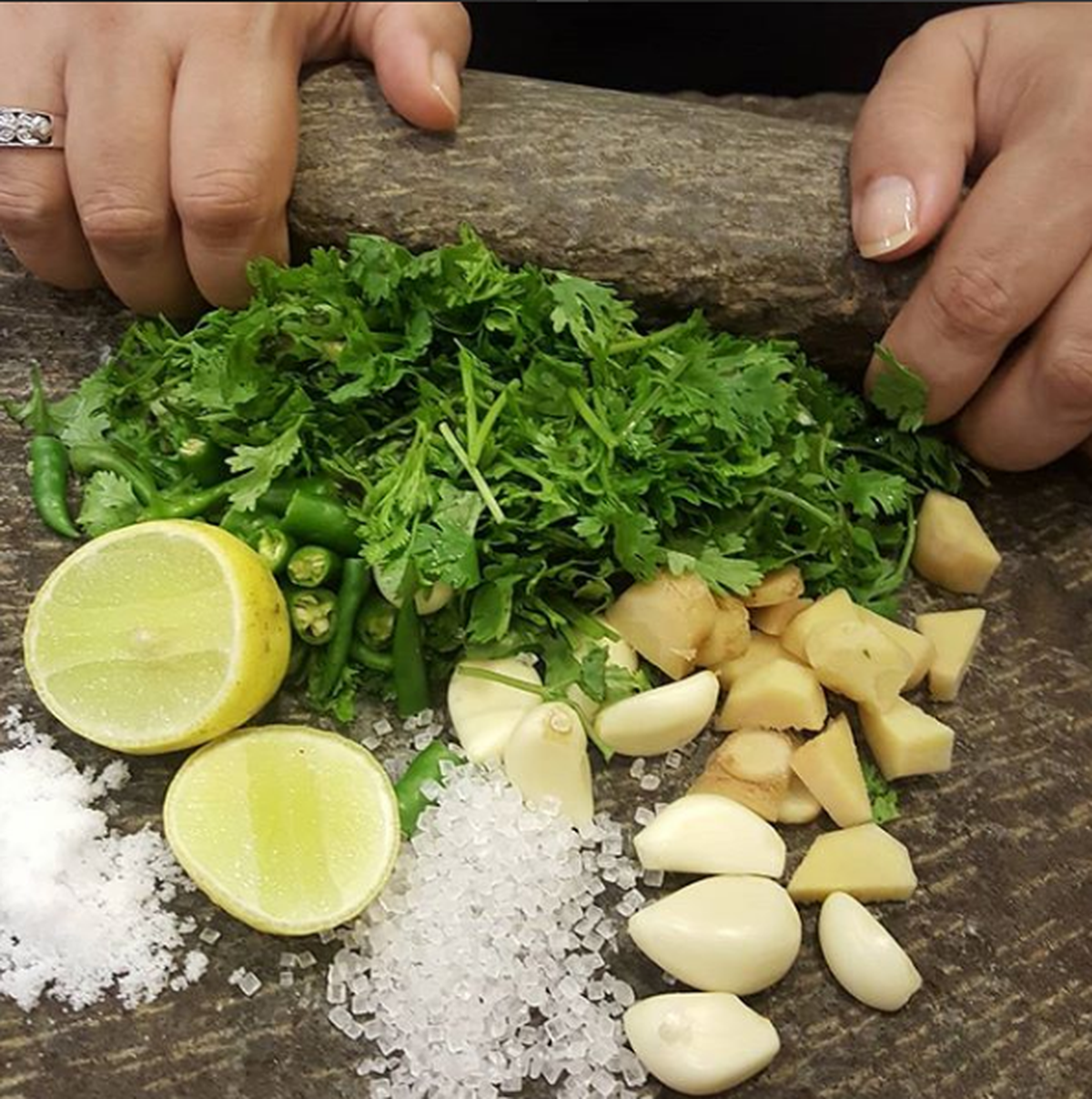
Coriander chutney being made on a silbatta
| Photo Credit:
Special Arrangement
Research for Chutney was multipronged, she adds, “equal parts academic, archival, recording oral testimony and storytelling”. “I wanted to get the widest representation within a framework. There was no way we could map every recipe in existence, that would take 200 books! So I aimed to go beyond the best known, common denominators and try to get at least two-four recipes for every region. Our archive had 400 unique chutney recipes that we sorted with selection, elimination or grouping of similar recipes,” she says, explaining how what began as a six-month project stretched into two years.

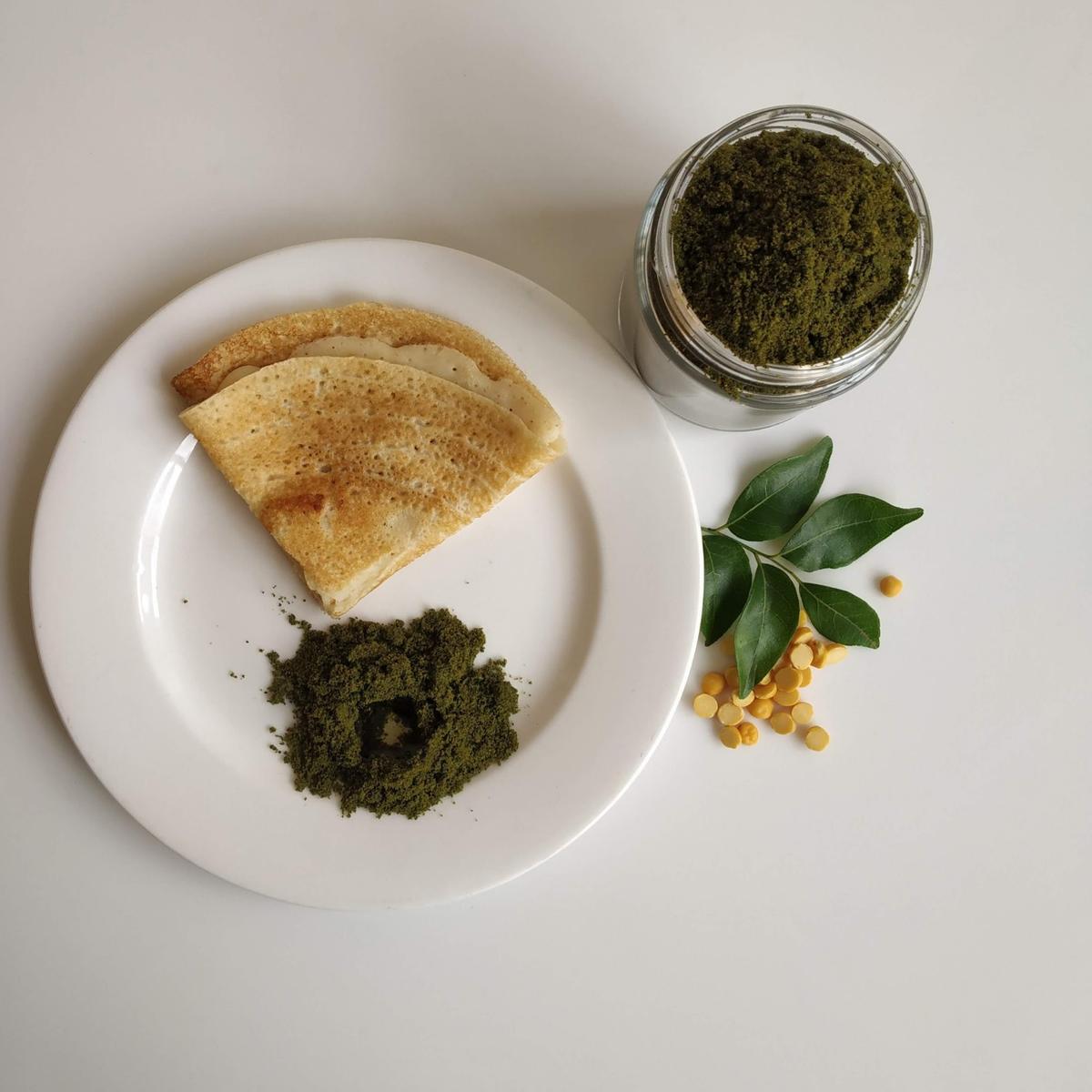
Curry leaf chutney
| Photo Credit:
Special Arrangement
Every conversation and every recipe brought new learning, she says. “One memorable coup was getting recipes for Arunachal Pradesh. I found a restaurant called Arunachali Sajolaan Nalois restaurant in Humayupur and went back to pester owner Anne Miji for recipes. There were also instances like Chaudhryji, an immigration officer at the airport, who on finding out we were doing this book held court for 15 minutes, spontaneously sharing Haryanvi chutney recipes,” says Rushina, whose earliest memory of a chutney is her mother’s keri ni chutney, and a cooked tomato and chilli chutney.
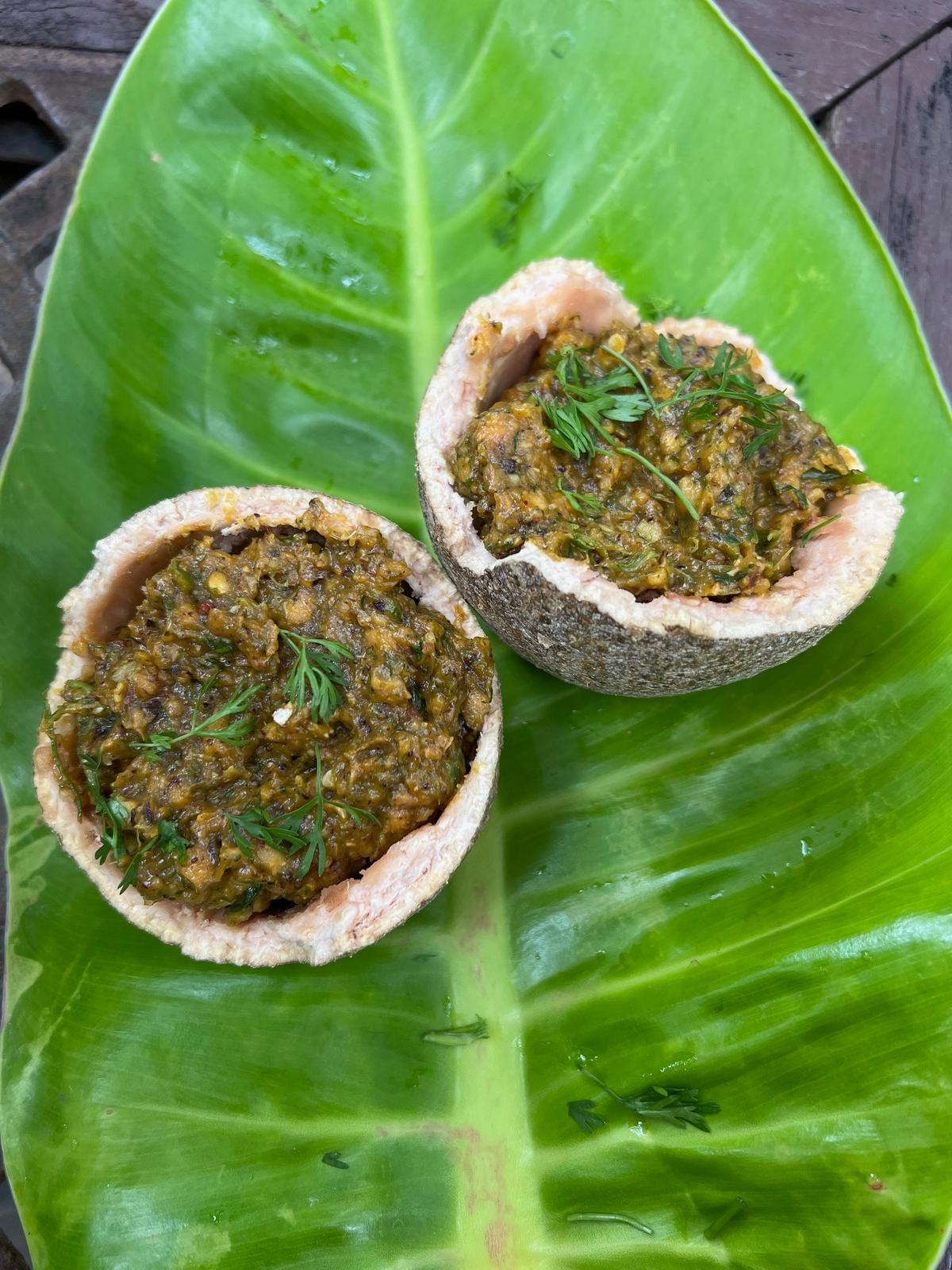
Vellagapandu chutney
| Photo Credit:
Special Arrangement
For her, one of the biggest learnings from this project was how food is both fundamental and complex. “It’s fundamental in its essentiality, driving our daily existence, but it’s also complex, going far beyond sustenance and hunger to touch on our emotions, memories, and identity. Indian cuisine is also designed for customisation down to the last bite. We might all be served the same dal, rice, sabzi, roti, but each of us will formulate every single bite differently, usually with the help of a chutney or achaar, which are seldom given credit.”
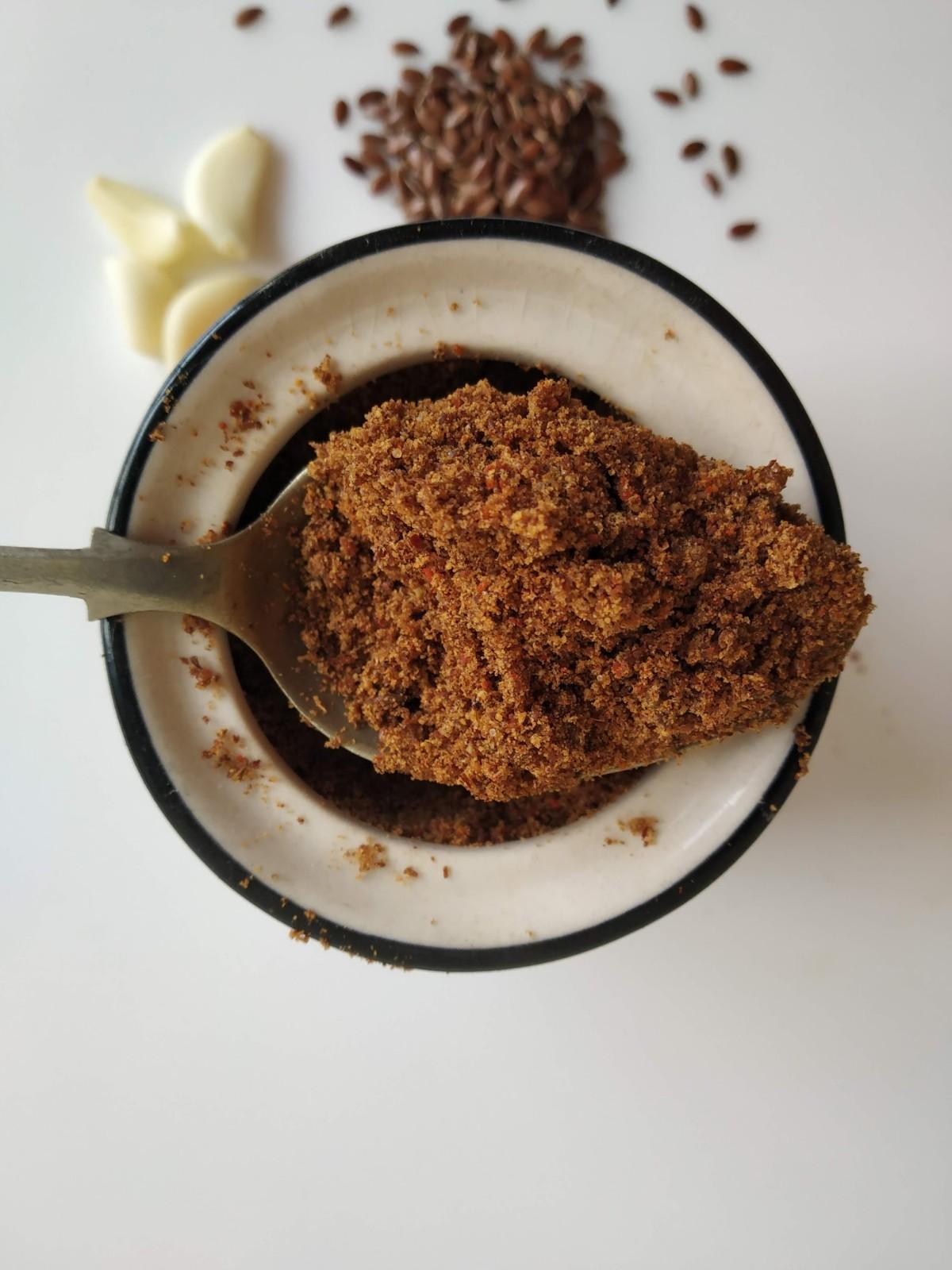
Flaxseed chutney
| Photo Credit:
Special Arrangement
The cliché is true, Rushina adds, that Indian food changes every 100 kilometres. “If we’ve learned anything from writing this book, it is this: to codify, standardise, or templatise Indian food; to try to contain this landscape of flavour within rigid boundaries would be a crime. It would be a crime against the grandmothers who taught us to cook by instinct…and against the very spirit of a cuisine that is fundamentally about personal expression and individual taste.”
For every chutney recorded in these pages, Rushina believes there are several more (some yet to be born) “in the minds of its cooks, constantly evolving, transforming, and promising future deliciousness”.
Priced at ₹3,500, the book is available online


