
Before the “viral Udaipur wedding” became a content pool riddled with criticism and appreciation last November, Mumbai-based stylist and creative director Anaita Shroff Adajania received a brief to style the bride. “[Netra Mantena’s] father, Raj, had only one line: she has to be the most stunning girl there,” says Adajania.
Part celebratory spectacle and part gaudy display of wealth, the U.S. pharma billionaire heir Mantena and tech entrepreneur Vamsi Gadiraju’s multi-crore nuptials landed on many wedding style mood boards. Much like Anant Ambani and Radhika Merchant’s Jamnagar gala in July of 2024 or Alia Bhatt and Ranbir Kapoor’s home wedding in 2022.
Anant Ambani and Radhika Merchant’s wedding
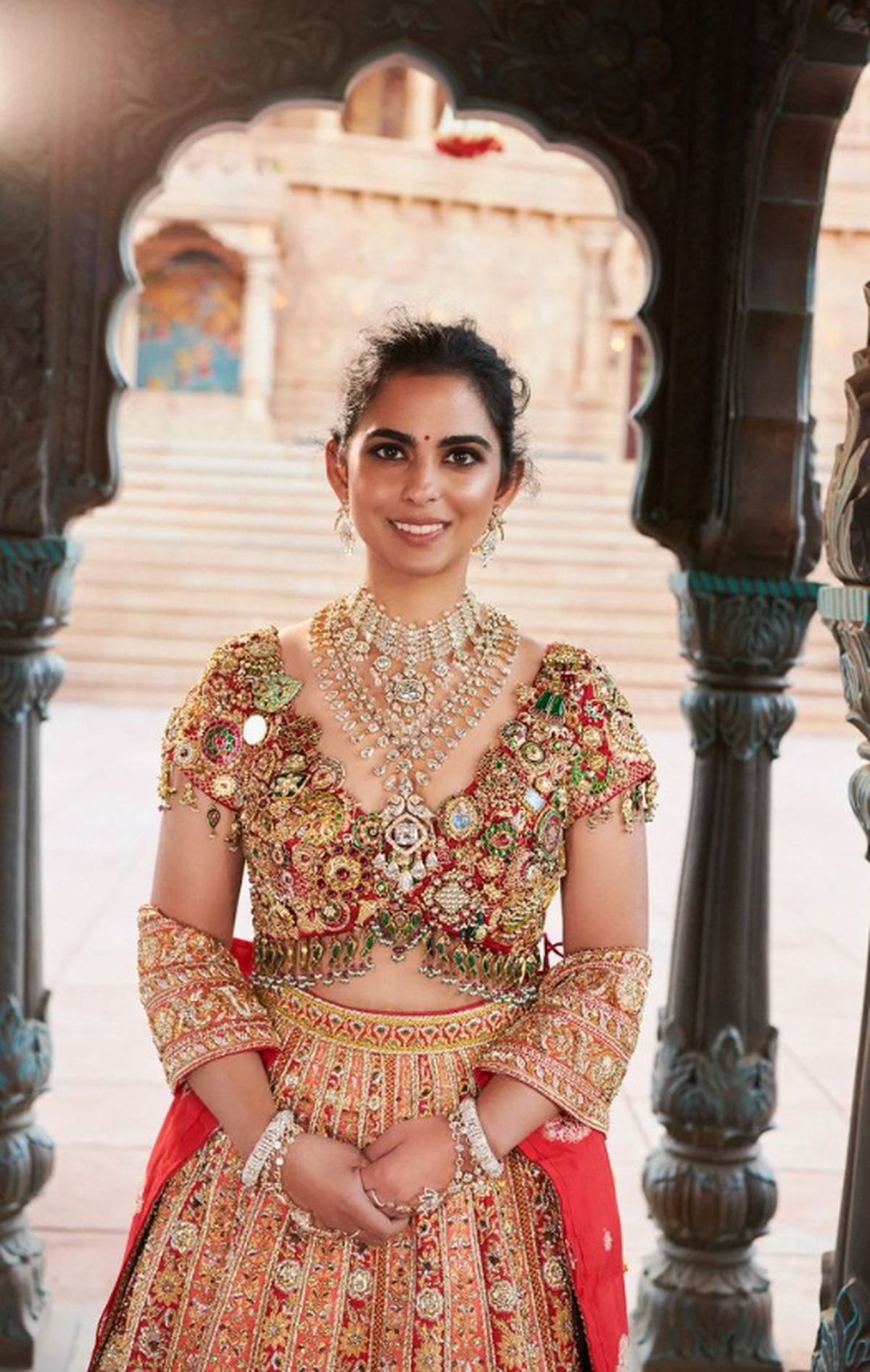
Isha Ambani in a Jadau blouse with heirloom jewellery, styled by Anaita Shroff Adajania, at the Ambani-Merchant wedding
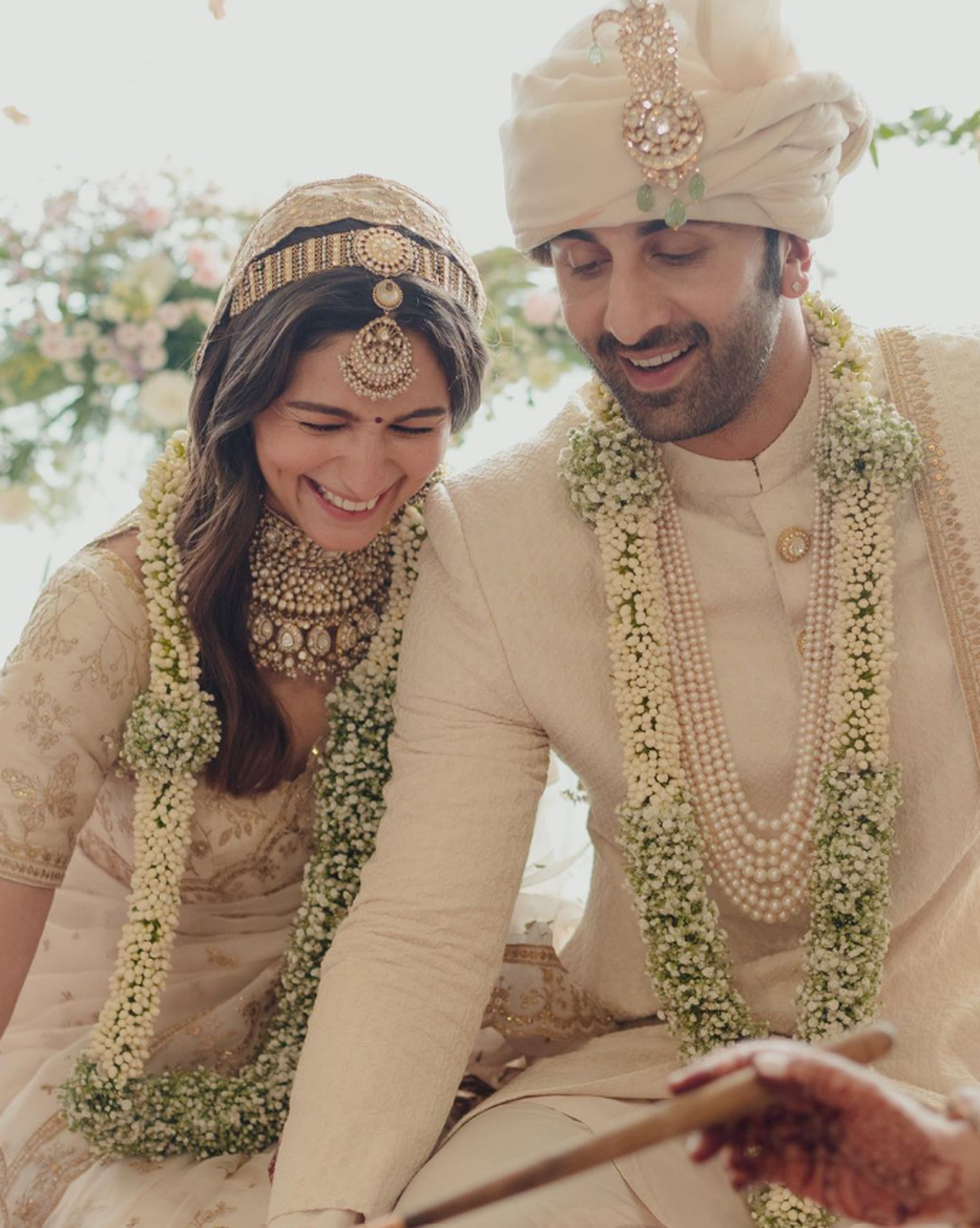
Alia Bhatt and Ranbir Kapoor’s home wedding
The Indian wedding market, with an average budget of ₹39.5 lakh to ₹58 lakh in 2025, according to wed-tech platform WedMeGood, is anything but small. And increasingly, a large portion of it is allocated to the stylists making the couple, and the family at large, look good.
Think of them as creative directors, brand managers, and crisis negotiators rolled into one. They manage the pressure of social media scrutiny, coordinate opulent wardrobes, navigate family dynamics, and ensure every candid contributes to a story worth remembering. But how is being one of the critical vendors on the Indian wedding roster different from what a regular stylist does?
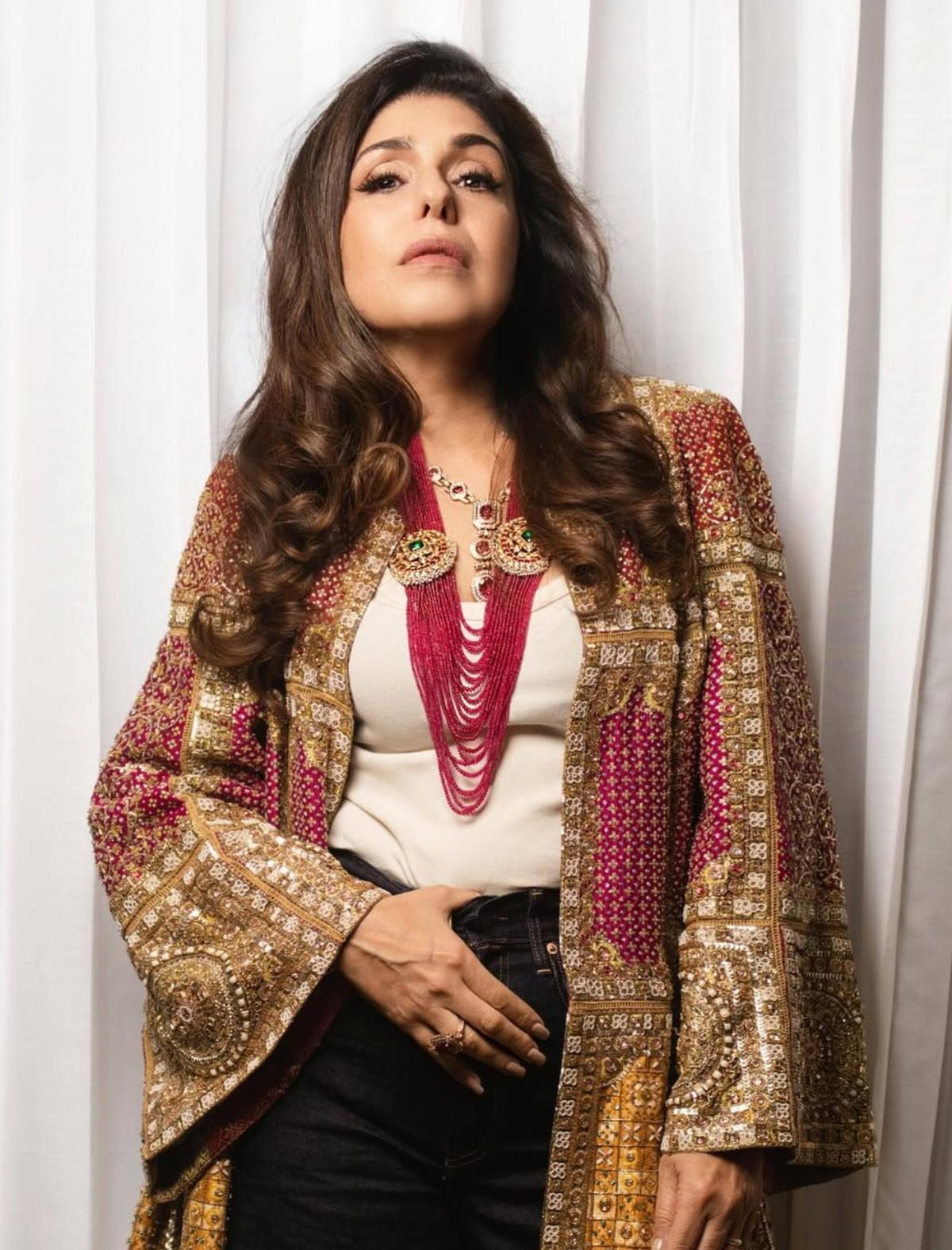
Anaita Shroff Adajania
For starters, “it takes a larger set of skills than just styling, and that can only be built over time”, says Mohit Rai, co-founder of The Wedding Style Project, a bridal styling consultancy with offices in Mumbai and Delhi. “When it comes to celebrities or models, whether it’s an editorial or an event, there’s always an opportunity to make up for any result that might not be up to the mark. But a wedding is fundamentally different and more demanding. The day is charged with far greater sentiment, which can be intimidating for an inexperienced stylist to navigate.”
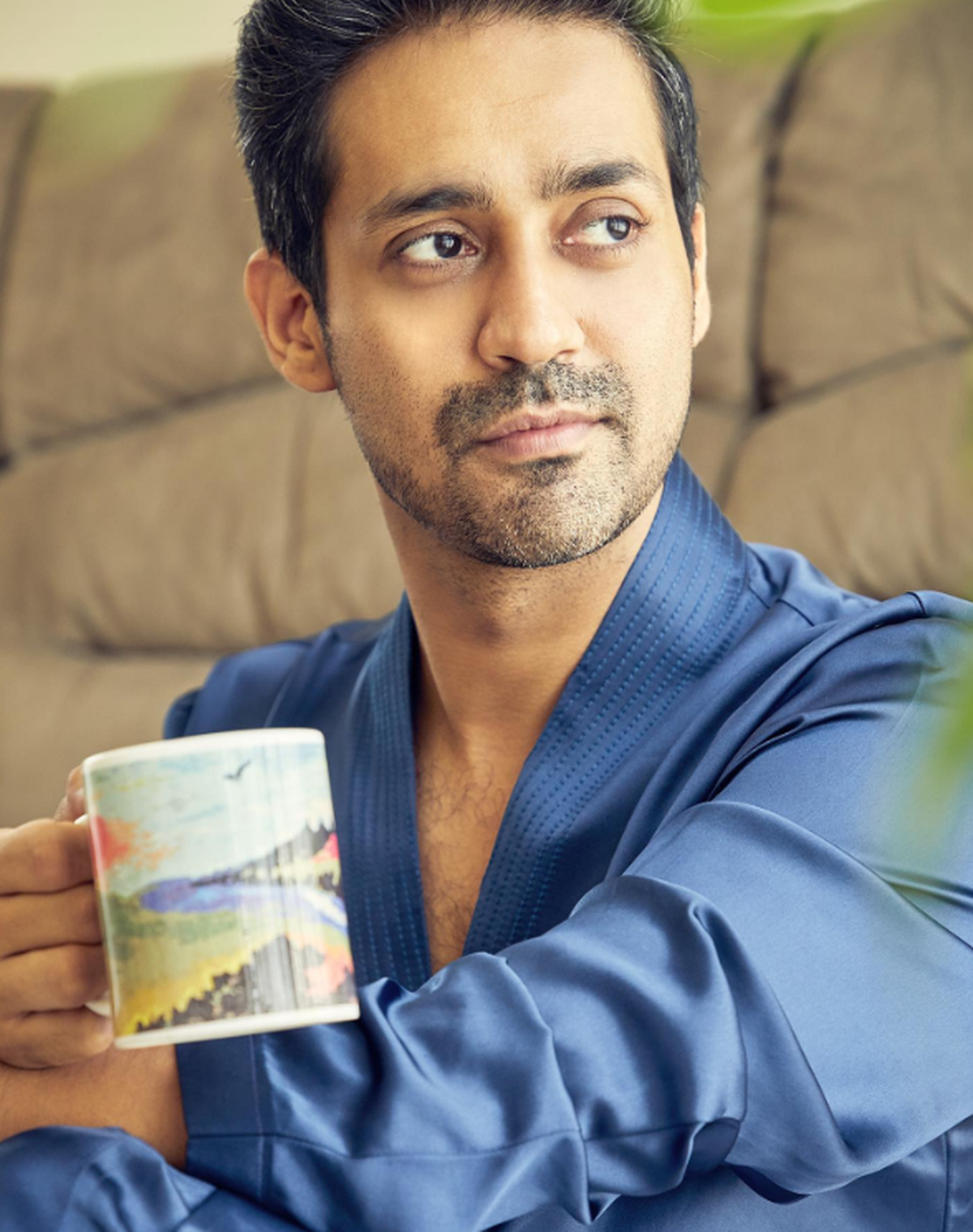
Mohit Rai
Rai’s expertise is backed by a diverse career, spanning from styling Bollywood legends Kajol and Tabu to next-generation talents Janhvi Kapoor and Ibrahim Ali Khan, not to mention elite celebrations such as the wedding of venture capitalists Reva Nohria (daughter of Nitin Nohria, the former dean of Harvard Business School) and Zach Dinan (son of Jamie Dinan, the billionaire founder of York Capital Management and a co-owner of the basketball team Milwaukee Bucks). Their 2023 Udaipur nuptials featured a guest list that included American supermodel Karlie Kloss.

Not just an indulgence
Stylists’ high-profile clientele also reflect a broader transformation, where professional styling has evolved from a luxury reserved for celebrities into a booming option for India’s aspirational upper-middle class. “Almost every luxury wedding has a stylist now,” says Rai.
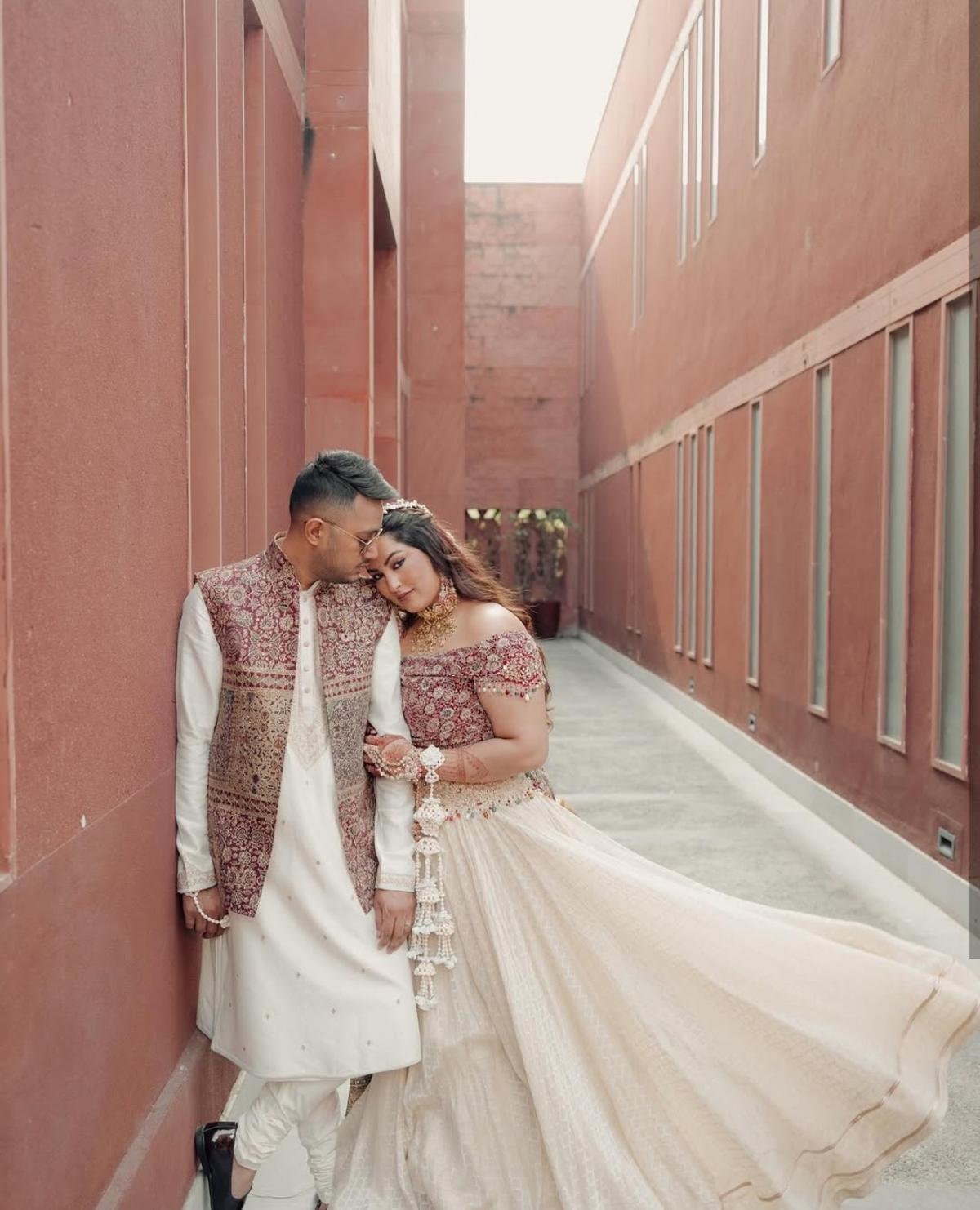
Influencer Sakshi Sindwani’s haldi ceremony
| Photo Credit:
Courtesy Anaita Shroff Adajania
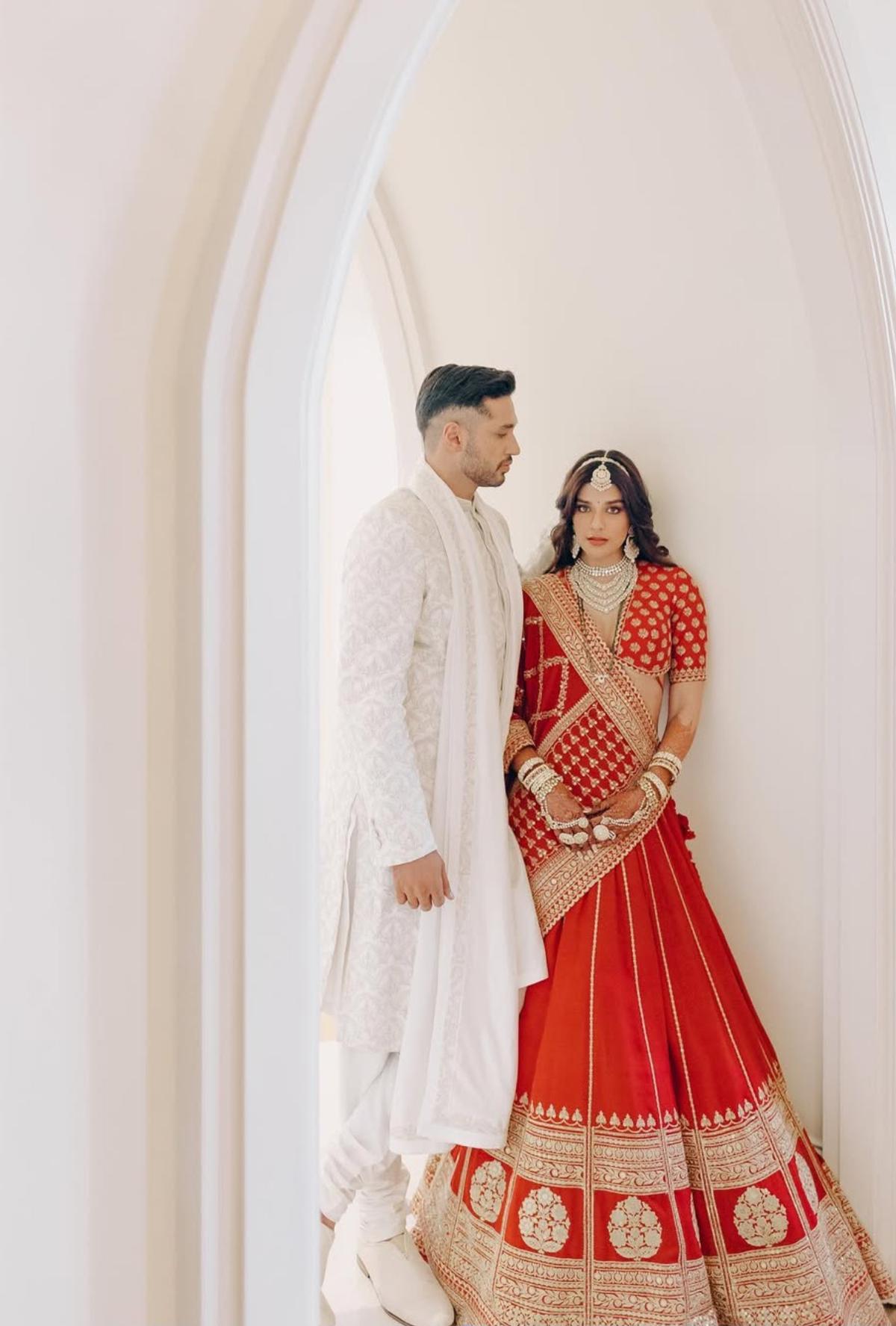
Artist Arjun Kanungo’s and digital creator Carla Dennis’s wedding
| Photo Credit:
Courtesy Anaita Shroff Adajania
With roughly 8 to 10 million ceremonies taking place in India every year, a plethora of platforms have also made wedding styling accessible to the masses. Cities such as Delhi and Mumbai lead the market today, but Bengaluru, Pune, Hyderabad, Chennai, Ahmedabad, Udaipur, Goa, and Kolkata are catching up
The demand for wedding services in India is increasing due to growing disposable income. According to a market analysis by business consulting firm Grand View Research, the Indian wedding services market is growing rapidly at a CAGR of 14.3% — valued at $117.45 billion in 2025 and projected to reach $228.69 billion by 2030. The styling segment is emerging as a distinct service within this massive industry. Blogs and wedding guides suggest allocating 40%-50% of your budget for outfits, jewellery, and makeup artists and stylists.
To manage high demand — with waitlists of six to eight months — these stylists operate with dedicated support teams capable of helping them oversee multiple projects simultaneously.
Directors of mainstream pageantry
Stylist to the stars, Delhi-based creative consultant Devanshi Tuli, who styled her own wedding in Mandawa, Rajasthan, believes it’s essential for couples to “see shows, visit stores, touch and feel the garments, and wear them to see how it makes them feel”, to figure out what they want to wear when they tie the knot. And for most people, who might not have the time or the know-how for it, a professional might be an excellent way to outsource the research.
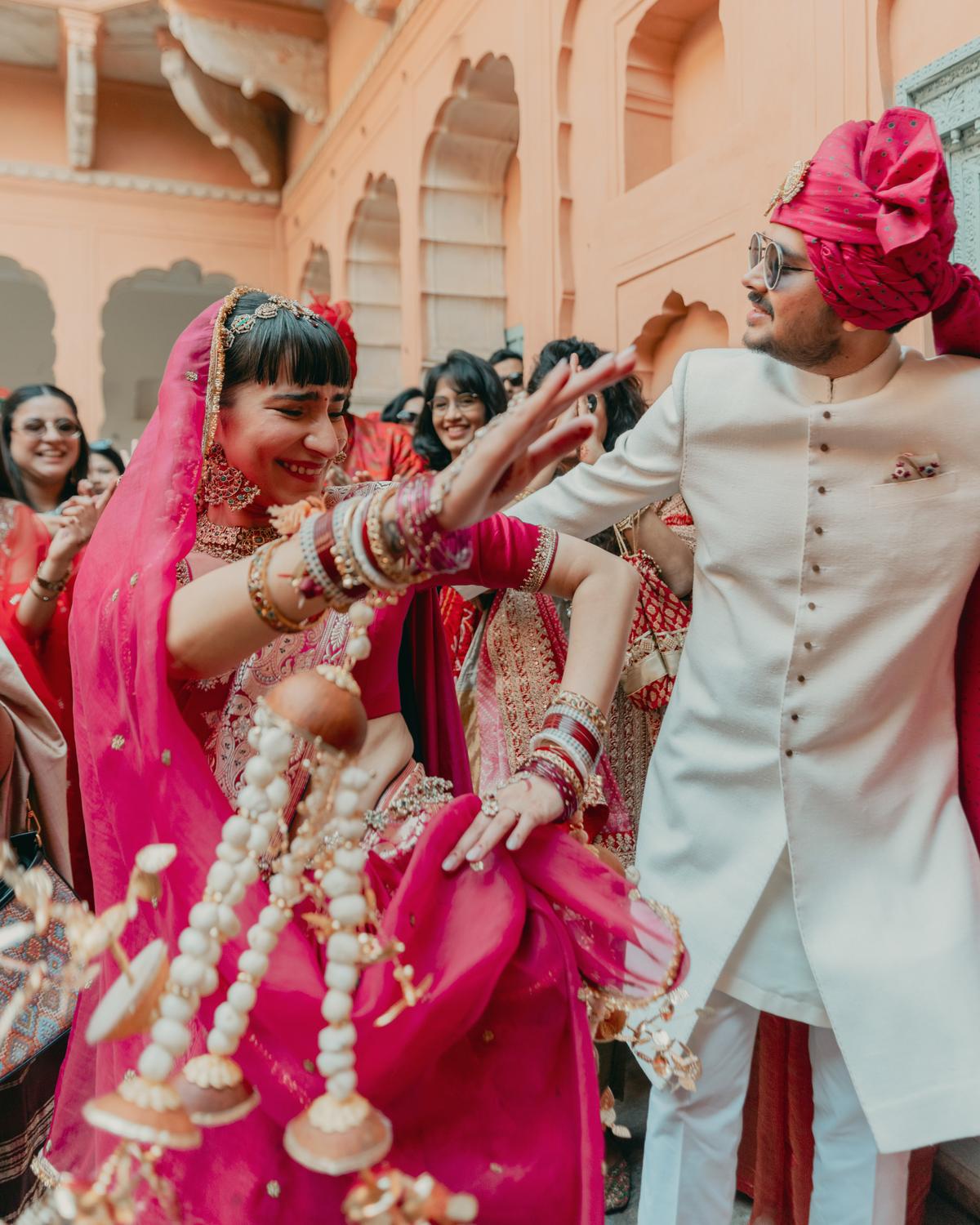
Devanshi Tuli’s wedding
| Photo Credit:
EshantRaju Photography
Goa-based graphic designer, Debaratee, who decided to hire a stylist for her wedding last year, agrees. “I wanted someone who could bring out the uniqueness of our interfaith marriage, while making it look cohesive. It was the best decision,” she says.
Nisha Kundnani, founder of Mumbai-based luxury styling destination Bridelan, points to the voyeuristic nature of wedding content, which makes the requirement of a stylist imperative. “Weddings have morphed from private celebrations to mainstream pageantry of sorts — for anyone who wants it,” she says. “We are in an age where anybody can become a viral talking point. A non-celebrity bride can have her moment of fame, with her wedding becoming the next big thing on Instagram.” And while big-shot weddings may encourage brides to fit into stereotypes, “hiring a stylist will make sure you still stand out”.
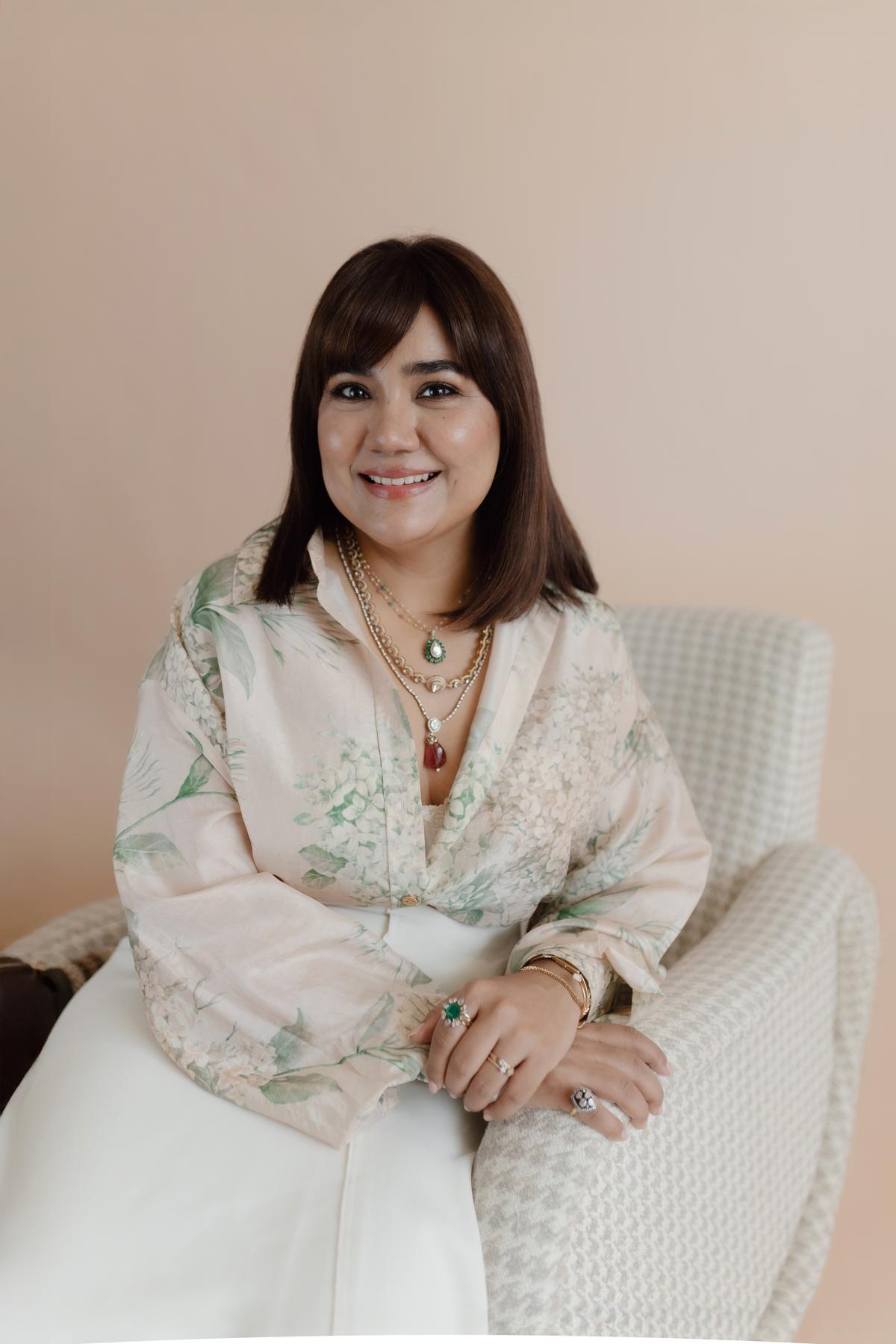
Nisha Kundnani
She feels the future will be full of “thinking brides”, who view adherence to their personal aesthetic as rebellion against garish excess or a dress code set by the last big celeb wedding. Kundnani gives the example of Kiran Dosanjh’s Paris wedding, where she put the Punjabi NRI bride in a jade green embellished lehenga paired with a matching corset from Anita Dongre. “It takes courage to be that person who rebukes trends; it is my job to help them do that,” she explains.
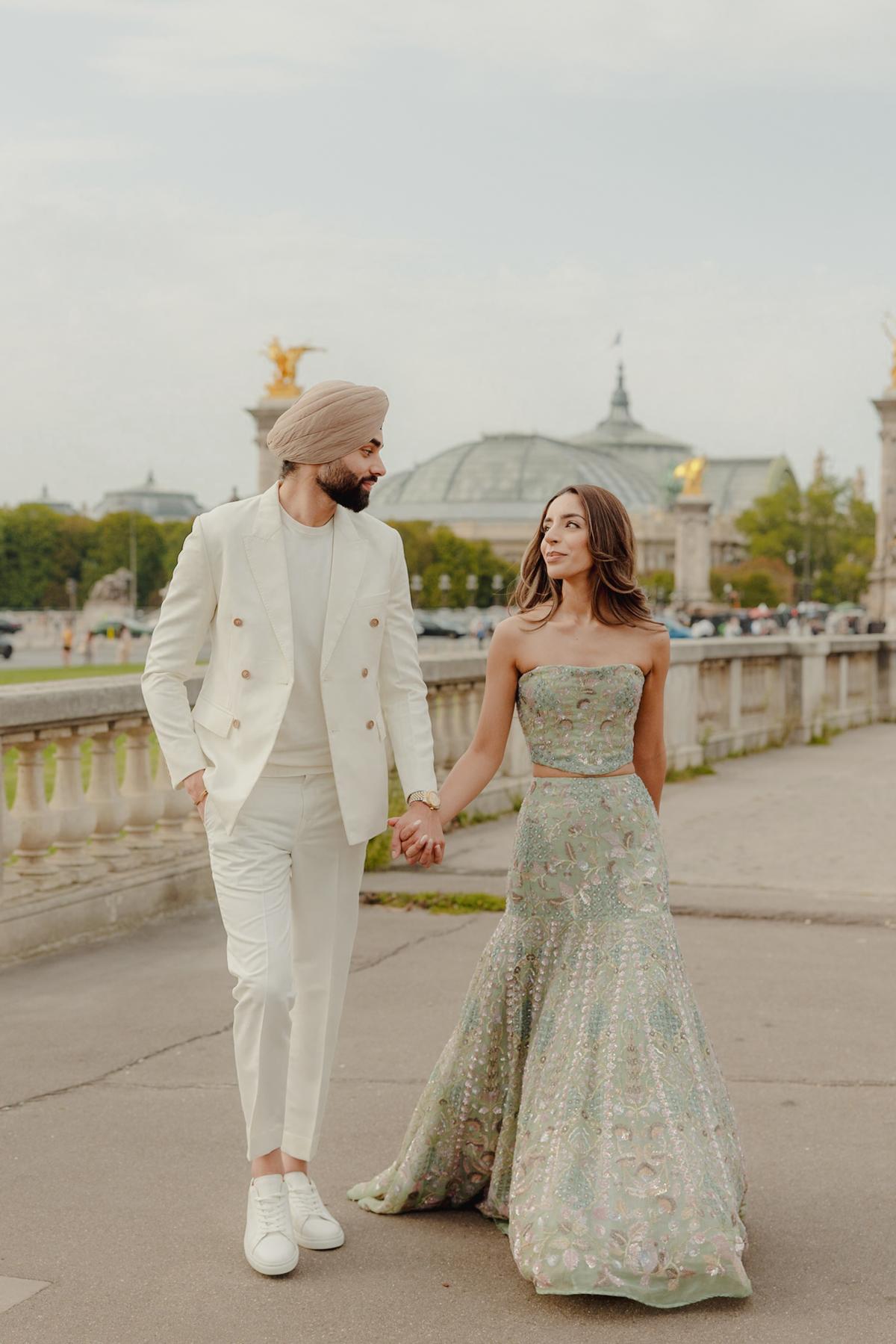
Kiran Dosanjh’s Paris wedding
In the same vein, for Gadiraju’s baraat look from the Mantena wedding, Adajania chose a true-red Abu Jani Sundeep Khosla outfit, complete with lions, a sheathed sword and a red turban. “Why is red always restricted to the bride? I wanted the groom to wear red, too. And it turned out to be Gadiraju’s favourite look from his wedding,” she says.
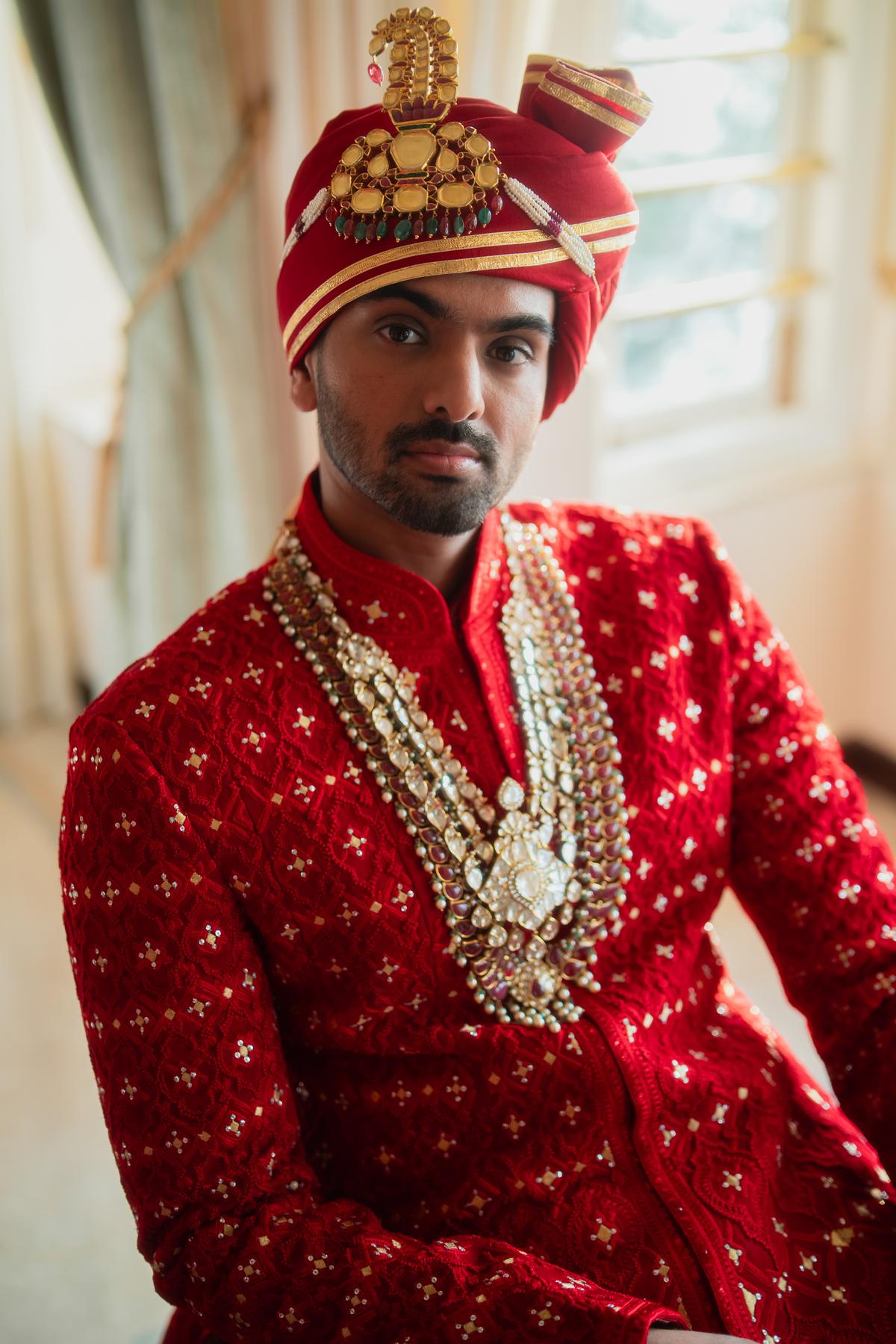
Vamsi Gadiraju’s true-red baraat look
Nisha Kundnani, founder of Mumbai-based luxury styling destination Bridelan, points to the voyeuristic nature of wedding content, which makes the requirement of a stylist imperative. “Weddings have morphed from private celebrations to mainstream pageantry of sorts — for anyone who wants it,” she says.
Visual harmony for the family
Wedding styling today extends beyond the bride and groom, often involving the entire family and extended relatives. As unbiased outsiders, stylists can act as the leveller. “That is where it can get a little tricky,” says Rai. “I’ve seen so many photos where it’s four people in completely different palettes and aesthetics, or one family member overshadowing the rest with their outfit.” His solution: establishing clear visual boundaries for each event, creating what he calls an “umbrella of aesthetics.”

Rai typically works with families for at least a year, building what he describes as a relationship. “You get to know them over time, understand their personality, and then dress them to bring out the best aspects of who they are,” he says. When Adajania works with families, she too sees it as an opportunity to create visual harmony. Hence, the process begins long before the first shopping appointment.
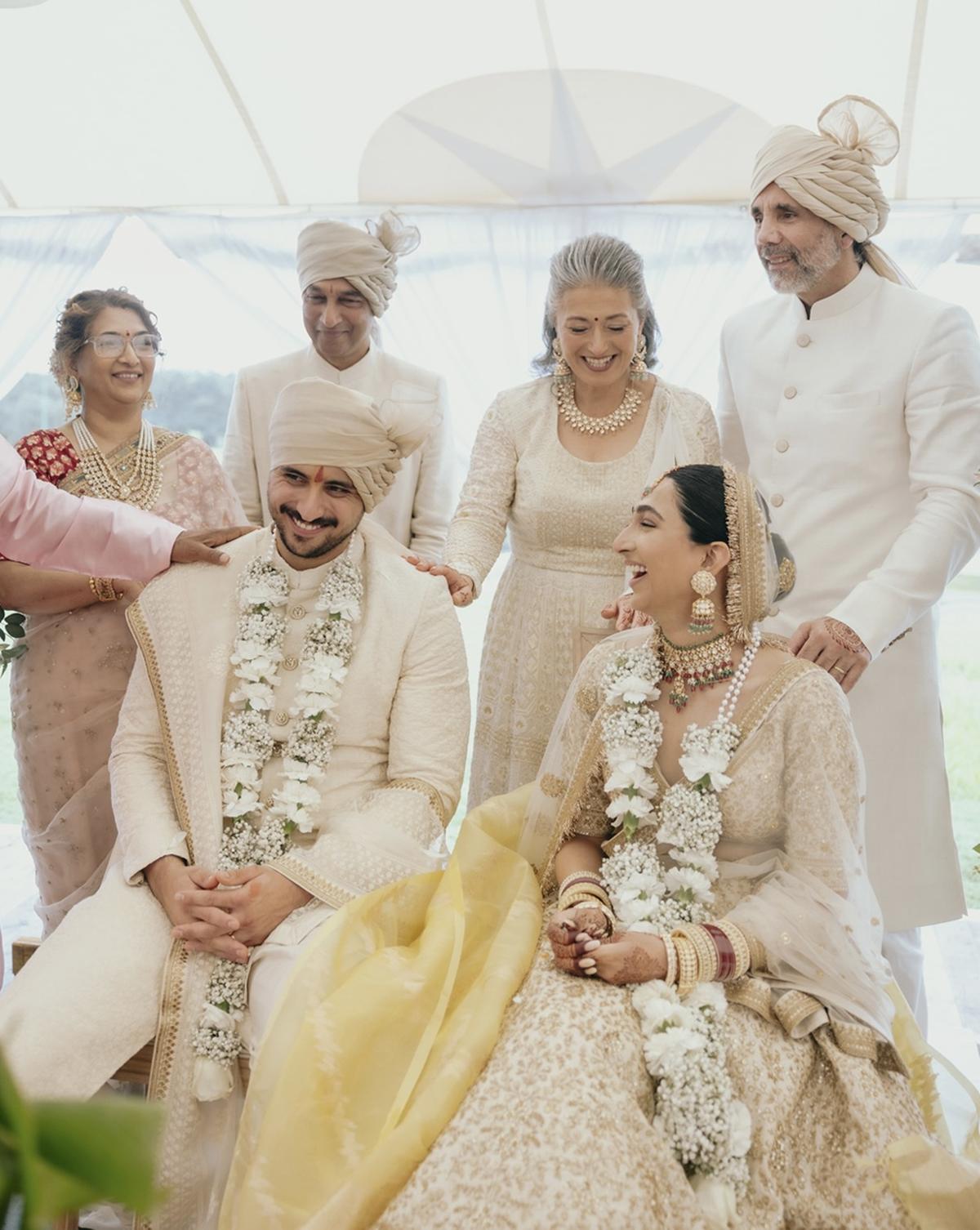
A Bridelan wedding by
A justified investment
To manage high demand — with waitlists of six to eight months — these stylists operate with dedicated support teams capable of helping them oversee multiple projects simultaneously. Yet, the challenges are endless and unique every time.
Kundnani remembers when she went wedding shopping with “a techie from San Francisco’s Bay Area”, and ended up getting an appointment with designer Sabyasachi Mukherjee himself. “The bride wore one of his most lavish lehengas, and her fiancé was standing in the corner, hiding from the larger-than-life moment.” Mukherjee asked him, “Are you the groom-to-be?” The bride answered on his behalf: “Well, that depends. If I find my ‘It’ wedding lehenga, then yes, he is.” Mukherjee, quick to recover, laughed.
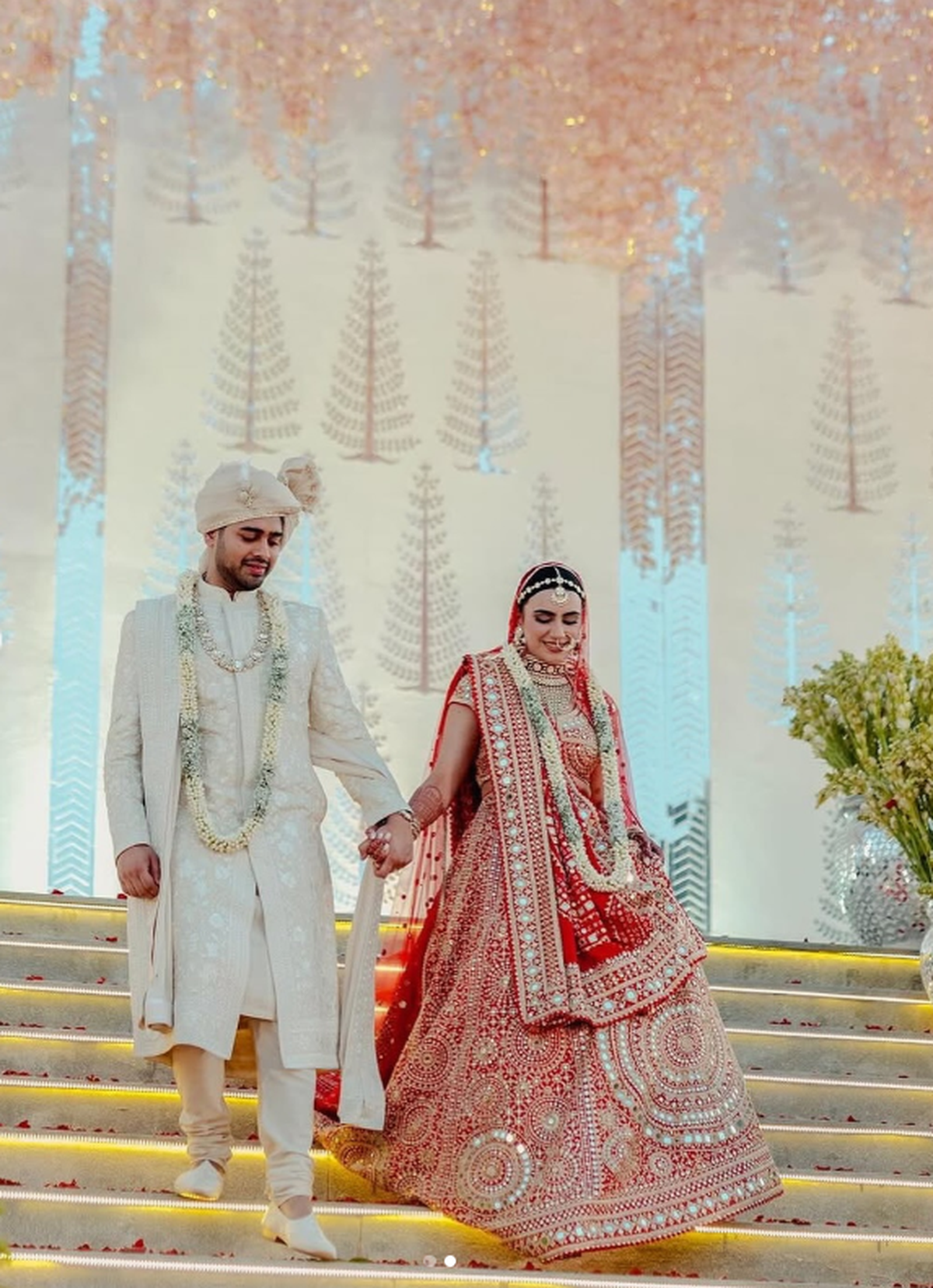
A Wedding Style Project couple
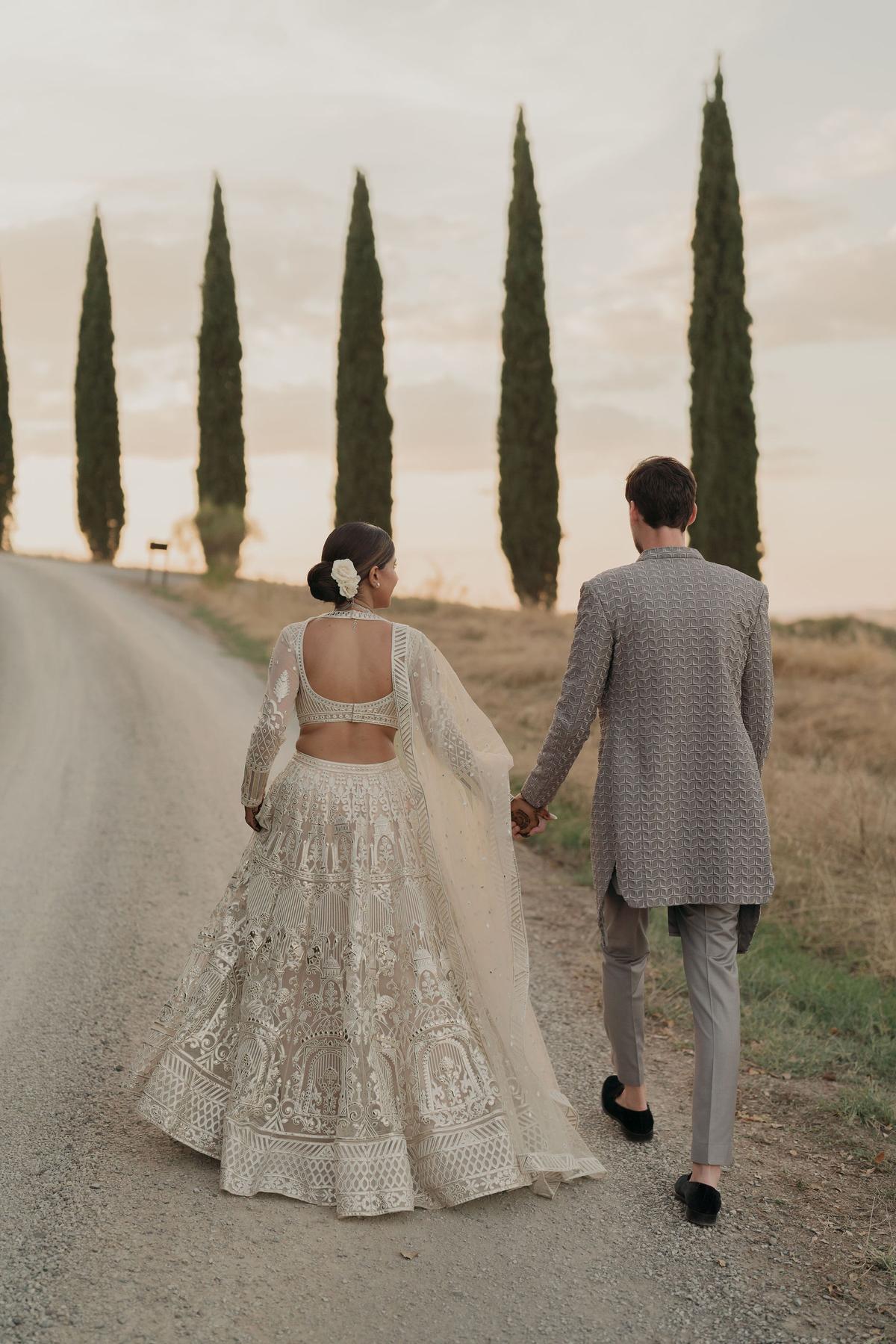
A Bridelan wedding
Several such encounters, albeit with lashings of humour, have taught Kundnani how important it is for so many people to get the ensemble right on their big day, often eclipsing most other factors. As Adajania concludes: “We don’t dress people for a moment. We dress them for forever.”
The Mumbai-based writer, artist and editor reports on fashion and culture.

