
The morning of December 31 can feel quite weird. A mix of grief, restlesness, and euphoric anticipation. It is New Year’s Eve. Cakes, gifts, fireworks are set and people prepare to count down the final seconds in one final act of bidding grand adieu. That night running into day lacks ordinariness. It is the official spectacle and stimulus of a new beginning.
Welcoming the new year is an exhilarating process every time. January 1 is revered and held special as the date leading the new year. Yet, this hasn’t always been the case. The idea of the “New Year” is tied to two planes — psychological and material. In the psychological plane, new year is treated like a temporal checkpoint whereas in the material plane, its movement is dictated by the calendar.
Welcoming the new year is an exhilarating process every time.
| Photo Credit:
Getty Images
The widespread calendar we are so naturally used to now never existed once in time. In its place were a plethora of local charts of time and each of them had different new year dates.
We follow the Gregorian Calendar where Jan 1st is New Year’s Day.
By the rivers of Babylon
We have recorded the earliest proper New Years celebration in Ancient Babylon. We are talking more than four millennia ago here. Cosmos and astronomy ruled time then, lunar and solar systems the norm. The New Year festival for the Babylonians was called “Akitu” and it was celebrated for 11 days. In our calendar, the date usually falls around April 1 (spring). Another neighbouring Mesopotamian civilisation called Assyria also celebrated New year then. Akitu celebrates the sowing of barley (the word itself means barley in Sumerian).
The flood brings the new year!
Ancient Egyptians marked the new year when the Nile river flooded. Yes. For them, the arrival of the flood was like an annual rebirth of their land. It was celebrated and considered a divine beginning. The flooding coincided with the heliacal rising of the brightest star in the night sky, Sirius.
Then again, the flooding date varied every year and was even different in different parts of Egypt. In this manner, most ancient calendars that depended on lunar and solar cycles, agriculture, nature events, etc. frequently had differences in the date and time of the celebration of New Year. While in our calendar, the differences are merely a matter of hours in the same day, the differences by these ancient calendars were a matter of many days.
Egyptian calendar was divided into three seasons – Inundation, Germination, and Warmth
Ancient Inca of Peru celebrated New Years day in June. It was based on their solar calendar where June 21 -24 coincided with the winter solstice.
Inti Raymi festival, the beginning of the Inca year (Inca New Year) was the most important festival of the Inca Empire. Today it is the second largest festival in South America.
Rome wasn’t built in a day
The modern Gregorian calendar we follow is a direct refinement of the Julian calendar that was instituted by Roman General Julius Caesar. Here, January 1 officially takes birth as the New Year’s Day.
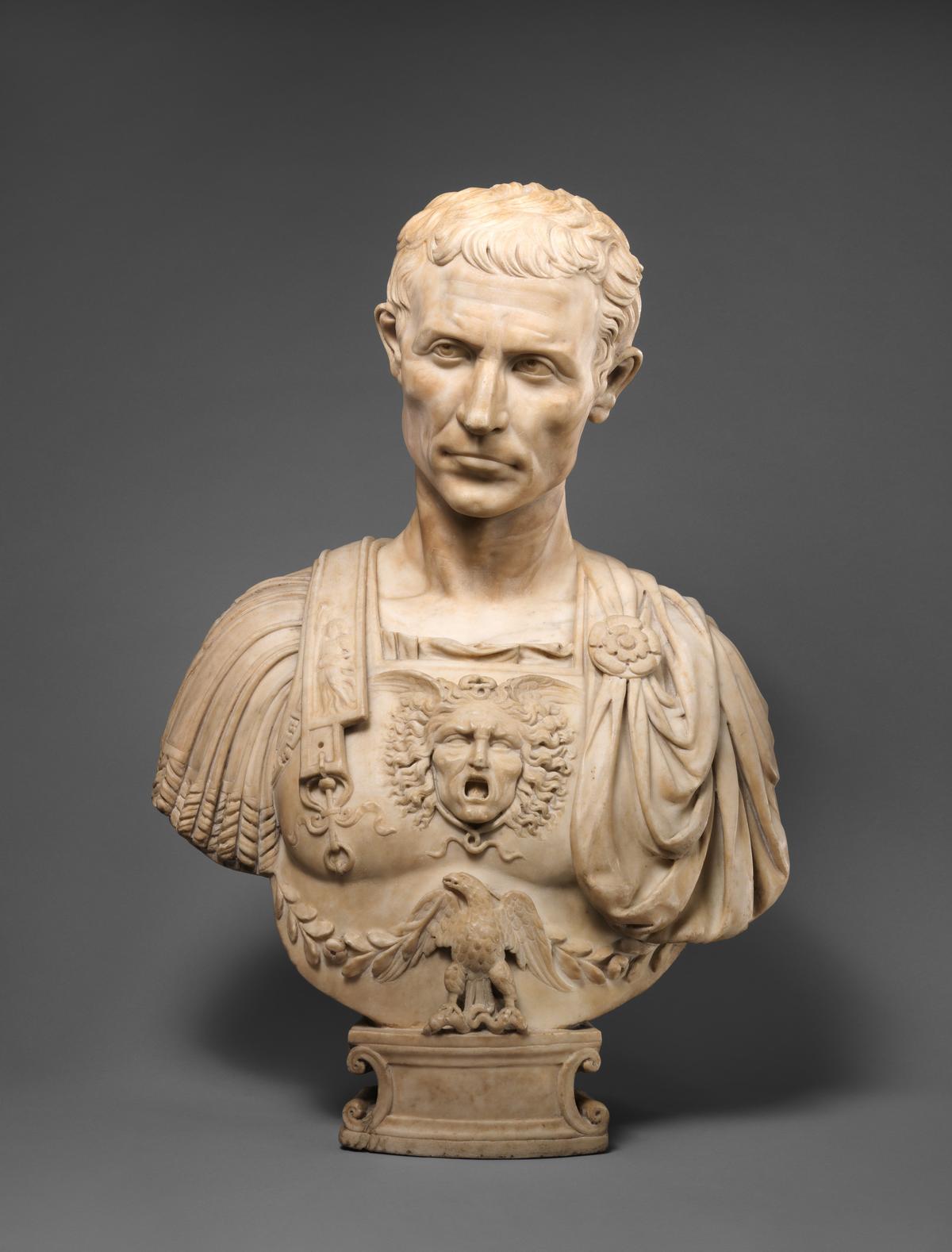
Julius Caesar.
| Photo Credit:
Wikimedia Commons
The route all the way here wasn’t easy. It was slow, full of change, and developed massively from older dating systems. The chaotic confusions and differences caused by the solar and lunar systems and unrefined alterations made the ancient calendar systems unreliable. By the time of Caesar, the early Roman calendar that depended on the cycle of the Moon, fell so out of sync that Caesar decided to cure the issue. Astronomy and mathematics had also reached new heights of improvement. Calculations were more accurate than ever before and in no time, brought the genesis of the popular Julian calendar.
Did you know?
The Julian calendar first came into effect in the year 45 BCE. It is a 365 day calendar with a leap year every four years. So, Jan 1 was celebrated as New Year’s Day for the first time in 45 BCE.
The earliest Roman calendar (attributed to Romulus) had March as the beginning of the new year.
Romans celebrated the new year by giving gifts to others as well as offering sacrifices to their God Janus who is considered as the God of Beginnings.
Modern Times
The Julian calendar wasn’t error-free. It overestimated the length of the solar year by 11 minutes and 14 seconds. Pope Gregory XIII fixed this error in 1582. The new refined calendar became known as the Gregorian calendar which is what we follow today.
“Happy New Year!”
At exactly 12 AM or 00:00, not a millisecond more and not one less, people collectively scream out this phrase. If we add the innumerous local calendars of ancient civilisations alongside the ones we have discussed herein, then it is safe to say that in the history of time, we have locally said this phrase innumerous times at innumerous dates.
America, who is known for its grandiose traditional New Year celebrations, helped commercialise the event into how we celebrate it today. By the twentieth century, New Year’s Day and New Year’s Eve celebrations were fully commercial and broadcast in nature. Rituals and time itself were seen in commercial light.
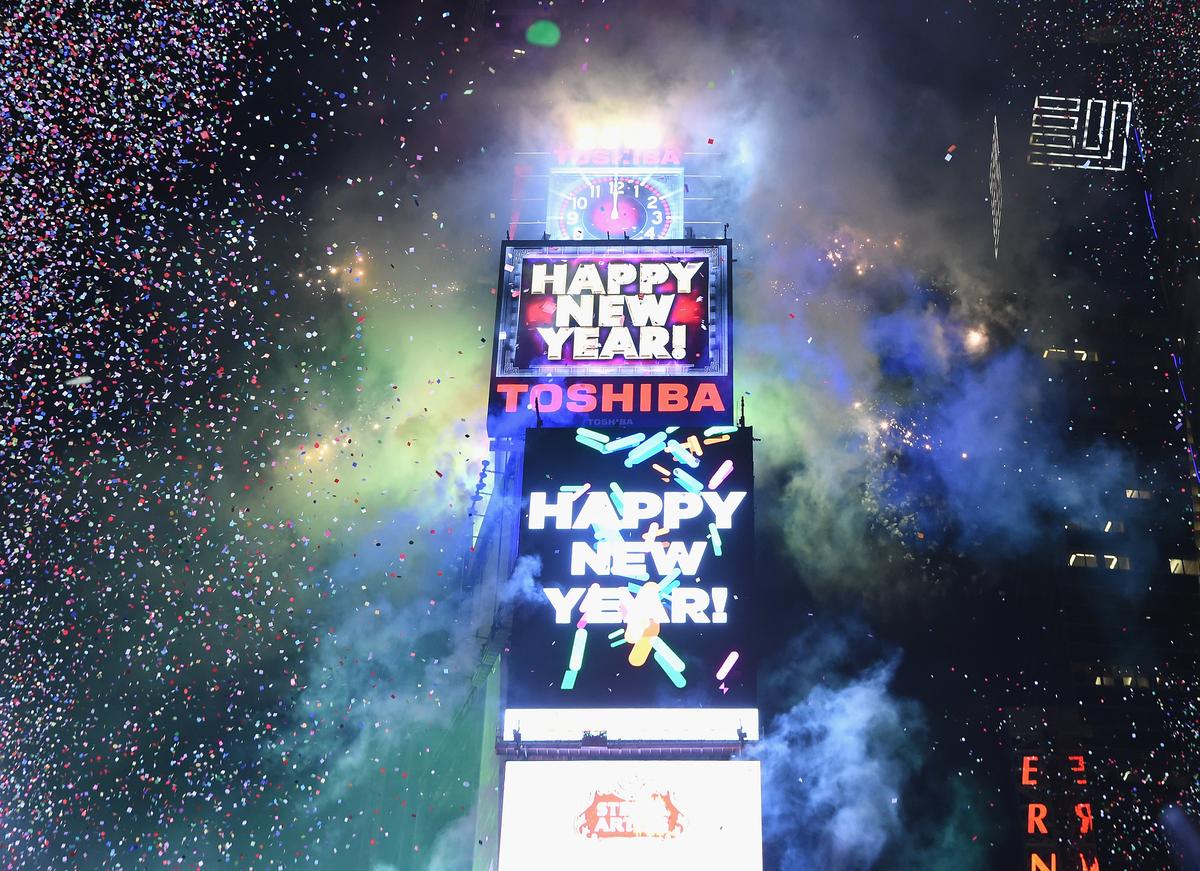
By the twentieth century, New Year’s Day and New Year’s Eve celebrations were fully commercial and broadcast in nature.
| Photo Credit:
Getty Images
New Year’s Present
On the larger timelessness of time, January 1 somehow successfully finds itself pinned. Sun, moon, agriculture, March, April, June — the New Year has created diverse meanings for us. Today, the hope it instils is universally rich and powerful. Wait, this does not mean that the older calendars have faded to black. The reason why we have festivals like Nowruz (Iranian Persian New Year), Chinese Lunar New Year, Vishu (Kerala’s New Year), and so on are because these calendars are still respected despite following the Gregorian one.

Lunar New Year.
| Photo Credit:
Getty Images

