
I have been an avid butterfly watcher for many years now, and I follow this hobby with great passion, alongside bird watching. I manage to admire butterflies even on very busy days; if I see a butterfly flutter, I leave everything as it becomes a priority for me.
Butterfly watching, or “butterflying,” is a family-friendly and relaxing activity that can be easily enjoyed in gardens, parks, meadows, and outdoor spaces. Butterflies come in vibrant colours and various shapes, and they are active during daylight hours.
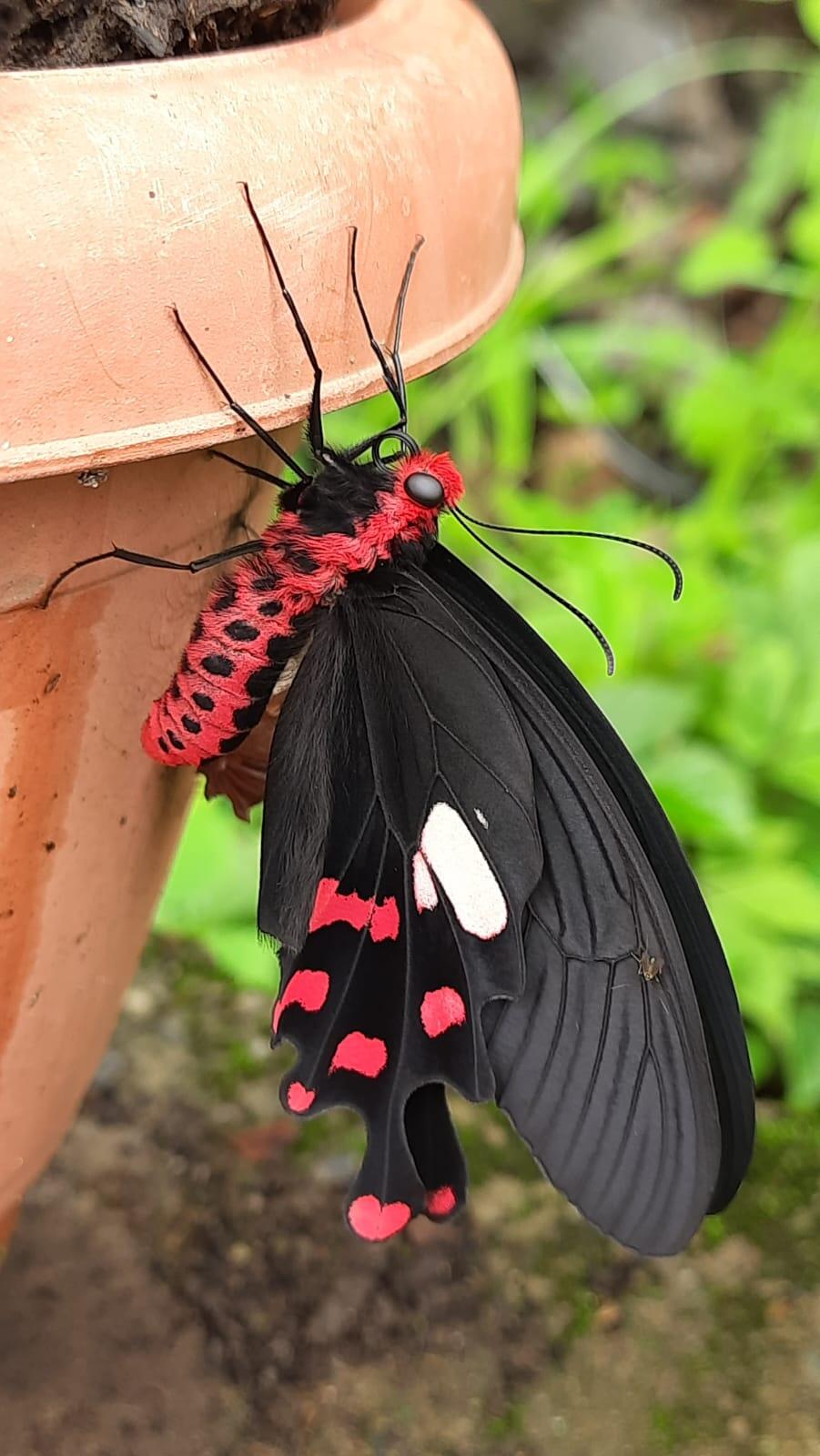
Common Rose Swallowtail Butterfly
I am so passionate about it that my friends send me pictures of the butterflies they come across. When we are out together, they find butterflies for me and say, “We found your love,” or “Because of this, we will excuse you for admiring the butterfly.” The recent joke is: “Nothing matters when she sees a butterfly or a bird, and we don’t know where this energy comes from as soon as she sees one of them.”
Recently, a friend and I were both part of another friend’s book launch. I was the discussant in the session, and the friend was doing the introduction; she was picking me up, and we were heading to the session together. She arrived, and I walked around from the back to sit in the front seat beside her. However, while I was walking, I spotted a butterfly on the floor and sat down to take a close picture of it. My friend was shocked to see me disappear from behind the car and even more shocked to see me sitting on the floor in a saree clicking photos of a butterfly. She said, “You do know we are going to be late for the session, so sit in the car quickly.” This story was then shared at the session during my introduction to tell the audience how passionate I am about wildlife and butterflies. The joke now is to not jump off the stage someday if I spot a butterfly.
Coming back to the story about butterfly watching, there is a butterfly called the Common Map butterfly that I have been fascinated with ever since I saw a picture of it clicked by another butterfly watcher. It is seen in Uttarakhand from the months of October to January, although it can also be spotted from June to September. The specific timing can vary based on local weather and altitude.
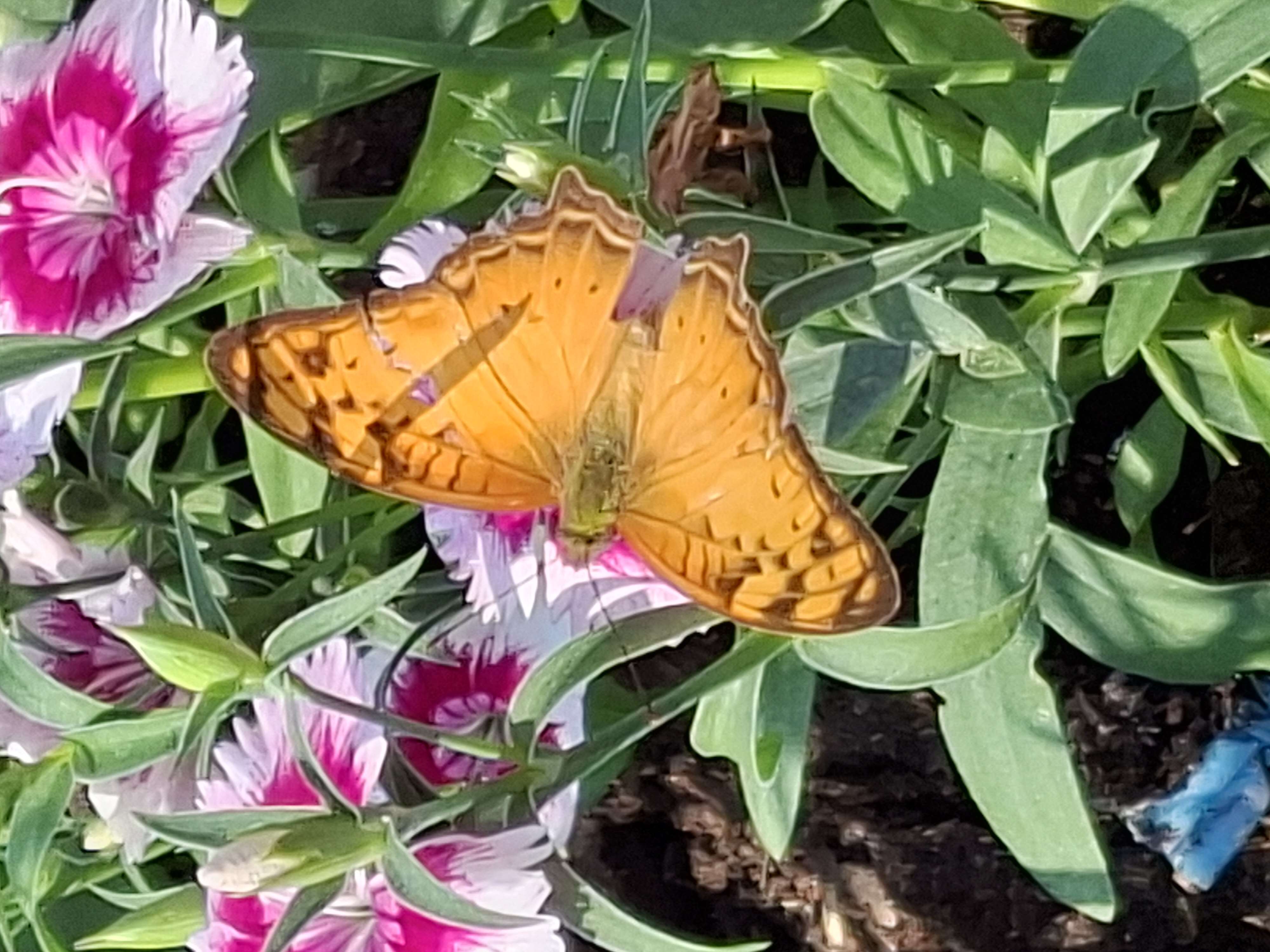

Common Leopard Butterfly
I have spent the last two years trying to spot the Common Map. Last year, I visited Nainital, which has a beautiful Botanical Garden with lots of butterflies along with a butterfly museum. I managed to see various species including the Common Rose, Common Crow, Common Bluebottle, and Common Peacock, among others, but failed to spot a Common Map. I asked the guide if there were any Common Maps in the garden, to which she replied that she had seen one that morning sitting in the sun, mud-puddling on wet soil. I went to the same spot around the fountain and waited for hours, but there was no sign of the Common Map. I went to the guide again to get more information, and she said it was sitting in the sun around 10 am and she usually saw them around that time. I planned on reaching the botanical garden early on my next visit, but to no avail. I saw various butterflies and over 100 species of birds on that trip to Nainital—including a Kalij Pheasant family with chicks—but no Common Map. I came back to Dehradun and the search continued.
Although the year 2024 came to an end without spotting the Common Map, I was hoping to spot one in 2025. I went to Nainital again in the summer of 2025 and was lucky to spot various species of birds and butterflies, including the Hill Partridge, Monitor Lizard, Kalij Pheasant, Green Pigeons, Windmill butterflies of all kinds, Blue Tiger, Glassy Bluebottle, Great Blackvein, Common Tiger, and Common Mime, to name a few. I also discovered a wild bush with purple flowers like lavenders growing in Nainital which is a butterfly magnet. So much so, despite regular rainfall around that time, the butterflies were crazy about this plant called Butterfly Bush (Buddleja), on which I spotted various species. I even managed to see a beautiful Common Rose just come out of the cocoon—a new birth. Again, no sign of the Map butterfly.
The year 2025 was coming to an end, and on December 28, I visited a close friend’s house in the ordnance factory estate. She regularly invites me to enjoy her garden and observe the various butterflies. We agreed to meet up for lunch where everyone was immersed in various conversations. I kept moving around the garden and excused myself saying, “Keep talking, I am listening while I search for my butterfly.” One of my friends screamed and asked me to observe a butterfly as it really was beautiful. I went in that direction and was excited to spot a beautiful Painted Jezebel, after which I saw a Common Leopard butterfly, but not a Map butterfly.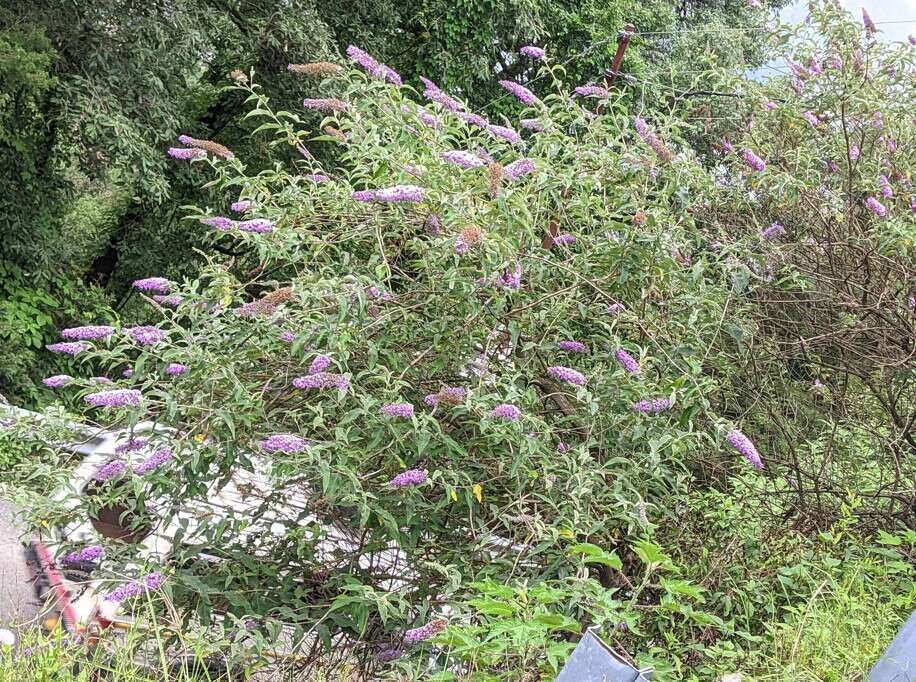

Suddenly, while walking around, a big butterfly fluttered around me and sat on the wet soil for mud-puddling right in front of me. Guess what butterfly it was? Behold, mission accomplished, as it was a Common Map butterfly! I clicked it with excitement and screamed, “My day is made! 2025 ends on a good note and I have been looking for this butterfly for the past two years.” They all joked that I am too easy to please: “Find a butterfly and she is happy for the rest of the day; show a bird and she is happy for a whole week.”
The Common Map is a species from the family Nymphalidae. It was described by Jean Baptiste Boisduval in 1836. It is found in India and Southeast Asia. It is called the Common Map butterfly as the markings on the wings resemble the lines of latitude and longitude on a world map.
Some butterfly behaviours
For those of you who do not know what mud-puddling is, it is a butterfly behaviour where they gather on moist soil, dung, or decaying matter to drink fluids rich in essential minerals, salts, and amino acids to boost nutritional needs, especially for reproduction. Mud-puddling is done mostly by male butterflies, who transfer these nutrients to females during mating for healthier eggs.
Another behavior in butterflies is basking, or sunbathing. It is crucial for warming their cold-blooded bodies and muscles, allowing them to fly and function. Butterflies are cold-blooded, so they rely on external heat sources like the sun.
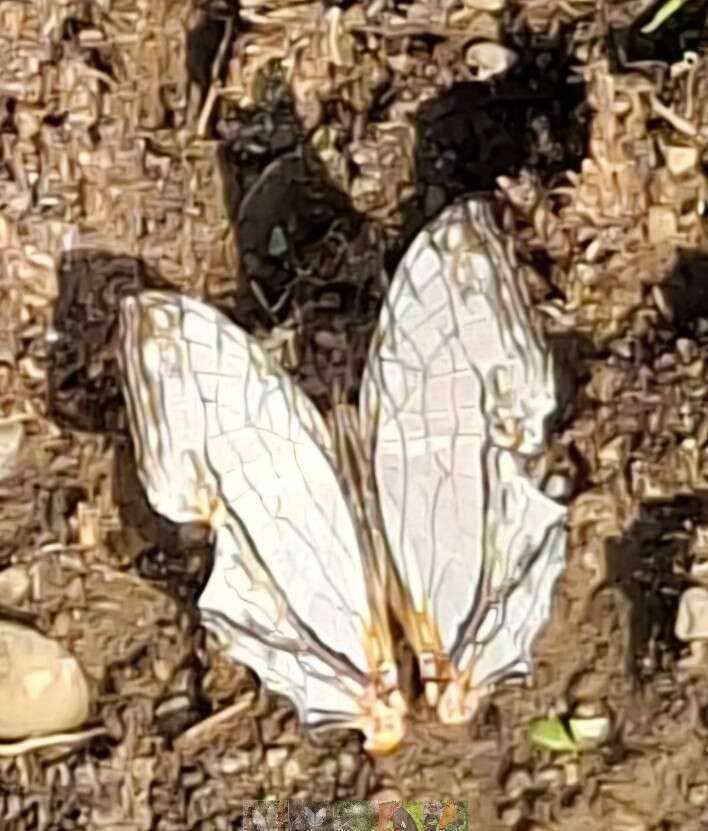

Common Map Butterfly
Things to keep in mind for butterfly watching
Butterfly watching is an easy hobby and can be taken up by anyone. All you need is a lot of patience and to stay calm. I have learned to walk so slowly and softly to move closer to a butterfly to get the closest pictures; I am surprised at myself.
- Timing and Location:Warm days are the best. Visit meadows, gardens, and parks with flowering plants.
- Identification:Use a field guide or butterfly book to identify the butterfly by noting wing design, color, etc. You can also click a picture with your phone and use Google to identify it.
- Patience:Move calmly and patiently. Observe flowers, grass, plants, and soil, and walk softly.
- Photography:Clicking pictures and admiring them later increases appreciation.
- Learning:Find out about local species. Spot nectar and host plants. Look for caterpillars.
So, here is a hobby to begin in 2026 if you still have not found one! Although my search for the Common Map butterfly has ended, a new search has started for the Kaiser-i-Hind, or Emperor of India, found in the Eastern Himalayas.
Happy butterfly watching, or “butterflying,” everyone!
Disclaimer
Views expressed above are the author’s own.
END OF ARTICLE

